
Air Brake Leak Clues Drivers Should Report Before the Next Dispatch
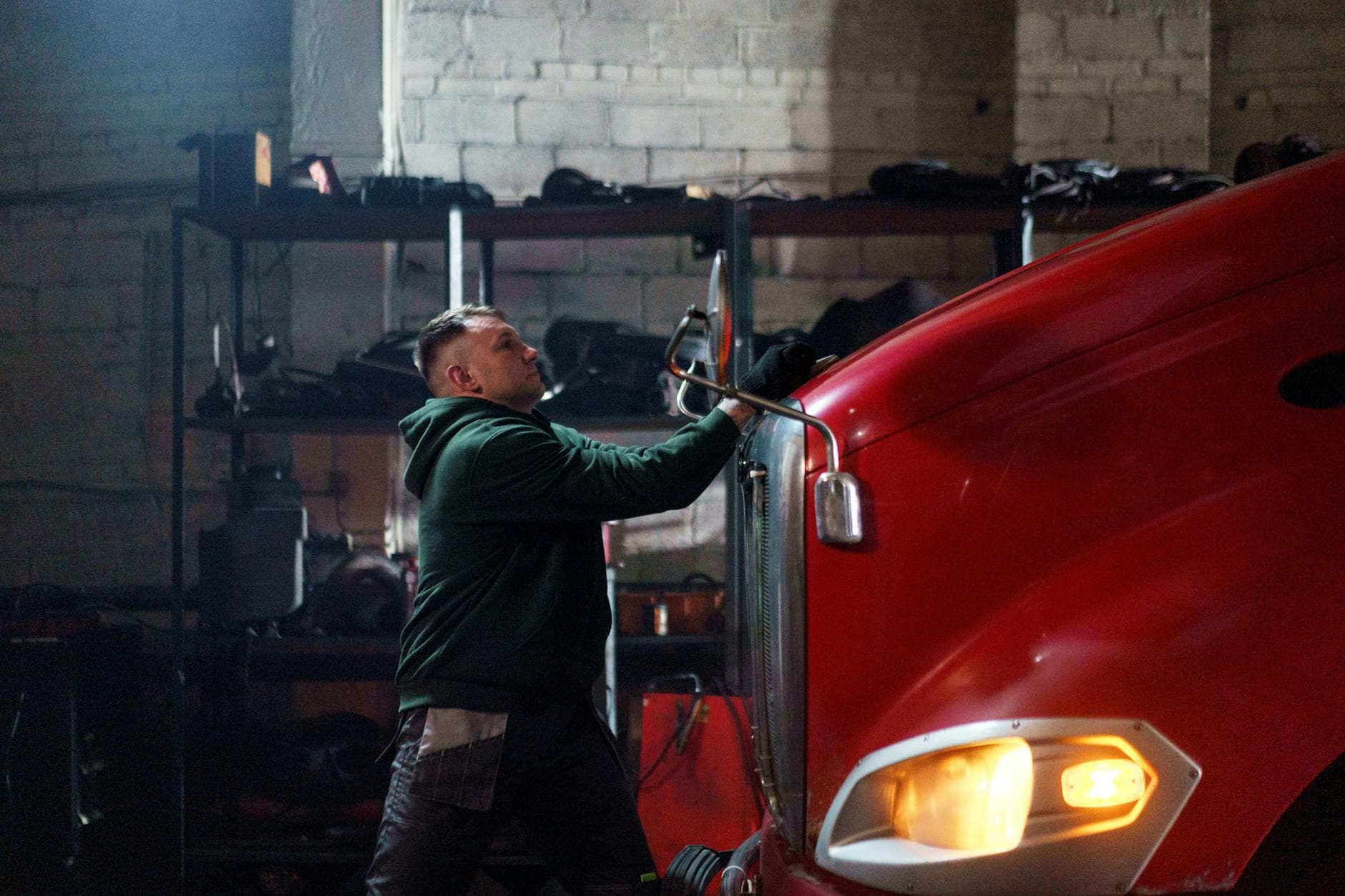
Photo by cottonbro studio on Pexels
Why Small Air Leaks Deserve Attention
Air brake systems are built to hold pressure and respond consistently. When a truck or trailer starts losing air, the first clue is often not a big failure—it’s a pattern: the compressor runs more often, the gauges behave differently, or a driver hears a faint hiss that was not there yesterday.
For fleet owners and operators in the Interior, those early signs matter. A truck that is cycling the compressor too often is working harder than it should. A trailer with a slow leak can be the reason a unit is late to the yard, gets pulled from service, or fails to make it through a scheduled inspection cleanly. If you are managing commercial truck maintenance BC-wide, it pays to treat air complaints as information, not noise.
The safest approach is simple: if a driver notices a change, report it early and get it looked at before the next dispatch. That is often the difference between a planned repair and a roadside problem.
Clues Drivers Can Hear, See, and Feel
Most air leaks do leave a trail if someone knows what to listen for. Common clues include:
- A steady hiss near fittings, valves, chambers, or the trailer gladhand area
- Compressor cycling more often than normal during idling or short moves
- Air pressure dropping faster than the driver expects after shutdown
- A truck that takes longer to build pressure at startup
- Brake response that feels different, inconsistent, or slower than usual
- Visible damage to lines, chafing, loose fittings, or cracked rubber sections
Drivers do not need to diagnose the exact failed part on the side of the road. They just need to notice the change and give the shop a clear description. Notes like “hiss from the left rear of the trailer” or “compressor kicked in repeatedly on the grade” help the technician start in the right place.
If the concern happens away from the yard, mobile truck service Kamloops can be a practical option when a unit is not ideal to move until it is checked.
What a Shop Will Usually Check First
A careful air system inspection usually starts with the simplest possibilities and works outward. That often includes checking lines, fittings, valve bodies, chambers, tanks, and common wear points where vibration and road grime take a toll. On trailers, the inspection may also include gladhand seals, hose condition, and areas where movement or corrosion has opened up a path for air loss.
In a shop setting, technicians may use listening tools, soapy water checks, and a hands-on inspection to narrow the source. On some units, the issue is a fitting that has loosened. On others, it is a cracked line, a worn diaphragm, or a hidden leak that shows up only when the system is under pressure.
That is why air complaints should not be written off as “probably nothing.” A leak that seems minor today can become a bigger reliability issue tomorrow, especially for units that spend long hours in service and then need to pass a CVIP inspection Kamloops time window without surprises.
Practical Habits That Help Fleets Catch Problems Early
The best time to find an air leak is before the truck leaves the yard. A few basic habits make that more likely:
- Do a quick walkaround and listen for anything unusual.
- Watch the gauges during startup and after shutdown.
- Report slower air build-up, repeated compressor cycling, or new hissing right away.
- Keep an eye on trailer connections, lines, and visible rubbing points.
- Include air-brake concerns in the driver note, not just in a verbal mention.
Those habits are especially useful for mixed fleets, highway haulers, and forestry units that see rough roads, dust, and constant vibration. A small leak can be easy to ignore until it affects dispatch timing or becomes part of a larger brake or trailer repair.
When to Bring It In Before the Next Trip
If a driver has heard a leak more than once, seen pressure loss, or noticed the compressor working harder than normal, it is time to schedule service. The goal is not to guess—it is to confirm the source and fix it before the unit is committed to a run.
For Kamloops truck repair and trailer service, that may mean a bay visit, a targeted repair, or a quick inspection before a bigger problem develops. If you need parts planning alongside the repair, the Parts Department can help line up the usual wear items so the truck is not parked twice for the same issue.
A clear report from the driver, a solid inspection from the shop, and a prompt repair decision usually saves time, protects uptime, and keeps the fleet moving with fewer surprises.
Need More Information?
Contact our team to learn more about our equipment and services.