
Air Conditioning Checks That Keep Long Summer Shifts Safer and More Bearable
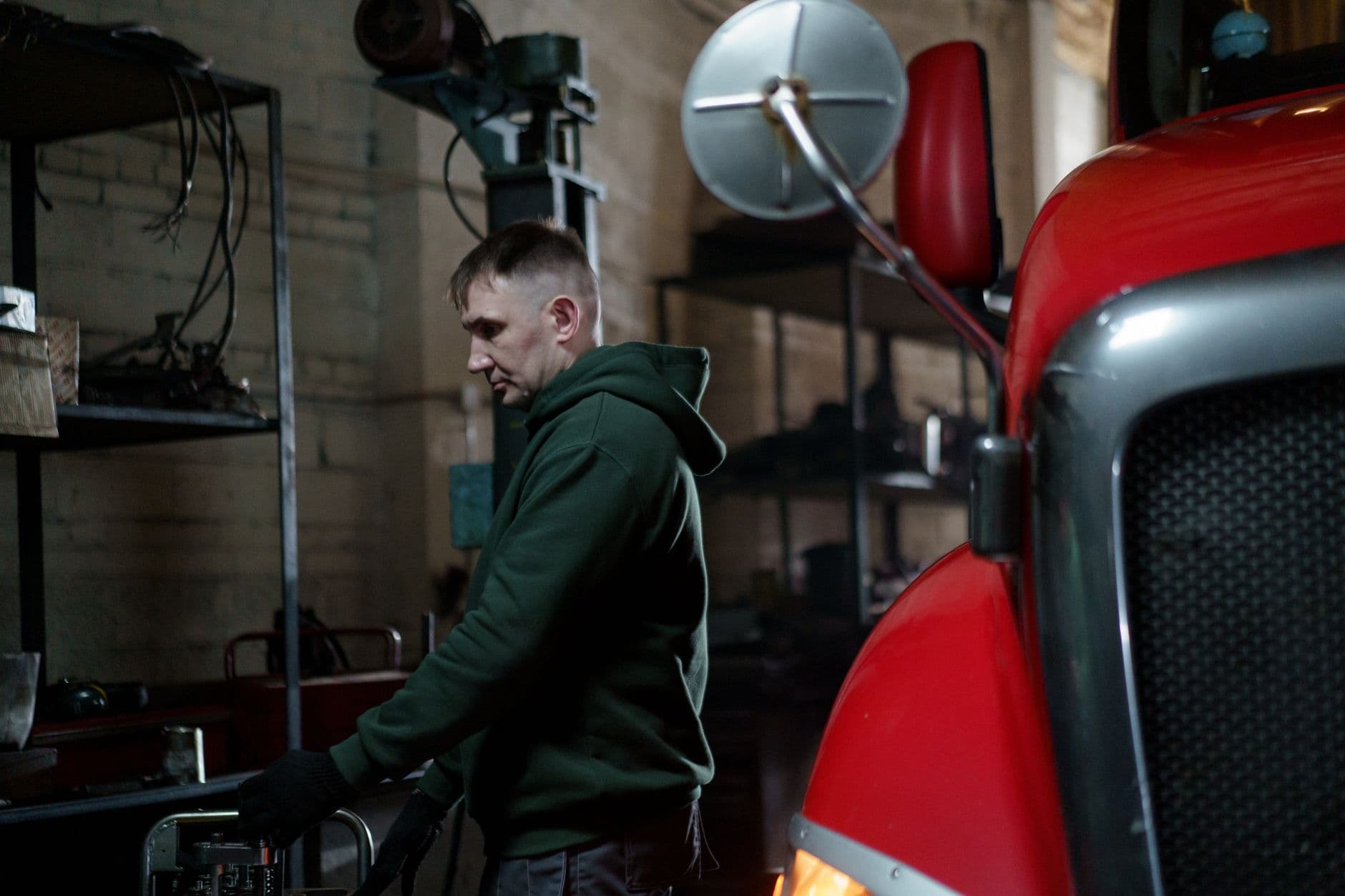
Photo by cottonbro studio on Pexels
Why cab comfort matters on long summer runs
When a truck cab stops cooling properly, the problem is not just comfort. Long hours in a hot cab can wear drivers down, make it harder to stay focused, and turn a routine day into a frustrating one. That matters for fleet owners, owner-operators, and forestry crews working Interior BC roads, steep grades, and dusty job sites.
In warm weather, small A/C issues often show up first as weak airflow, uneven cooling, or a system that only works when the truck is moving. Those are useful clues, not just annoyances. If drivers start turning the fan higher and higher to compensate, there is usually something worth checking before the system quits altogether.
For fleets around Kamloops, the goal is simple: catch problems early enough to avoid downtime and keep the cab usable on long shifts. If a truck is already scheduled for other work, it can be a good time to ask about A/C service through the service department.
The usual places trouble starts
A cab cooling complaint often comes down to a few common areas:
- Filters and airflow: Dust, pollen, and debris can load up filters and reduce airflow through the cab. That is especially common on rough roads and forestry access routes.
- Belts and drive components: If the compressor is belt-driven, worn belts or related drive issues can affect how well the system performs.
- Leaks: Refrigerant loss usually does not happen all at once. A slow leak can leave the system weak long before it stops cooling completely.
- Electrical issues: Switches, relays, connectors, and sensors can cause intermittent cooling problems that come and go.
- Cab door and seal condition: Poor sealing can make it harder to hold cooled air inside the cab, especially on hot, dusty days.
A few of these issues are easy to miss during a quick walkaround. That is why driver notes matter. If the A/C works better at highway speed, only fails at idle, or changes with engine rpm, that detail helps a technician narrow the search faster.
When to stop running it and book service
Some signs are worth treating as a prompt to book service sooner rather than later:
- warm air that stays warm after the truck has been running awhile
- a compressor that cycles strangely or will not engage
- visible oil residue around fittings or hose ends
- strange belt noise when the A/C is turned on
- weak airflow even with the fan on high
- musty smells, which can point to moisture buildup in the system
If the cab is getting uncomfortably hot, don’t just keep pushing the truck and hope it clears up. On some units, running with a failing belt, a significant leak, or an electrical fault can make the repair more involved later.
For roadside or yard issues where the truck can still be safely operated, mobile service may be the right first conversation. If the system needs deeper diagnostics, shop time is usually the better call.
A practical summer maintenance habit
The best time to deal with A/C trouble is before it becomes a peak-heat problem. During scheduled commercial truck maintenance BC fleets can ask for a quick cab comfort check along with the rest of the inspection. That may include belt condition, filter condition, visible leaks, airflow checks, and a look at the electrical side of the system.
For forestry contractors, delivery fleets, and highway trucks alike, comfort is tied to performance. A driver who can stay cool is usually less fatigued and more likely to notice other developing problems before they turn into a bigger roadside event.
If your unit is already in the shop for repairs, parts replacement, or seasonal maintenance, it can also be worth reviewing related items at the parts department. A little planning helps keep the truck moving when the weather turns hot.
Keep the cab usable before summer heat peaks
A/C problems rarely fix themselves. If airflow is weak, cooling is inconsistent, or a leak is suspected, it is smarter to look at it early than wait for the first truly hot stretch. For Kamloops truck repair and Interior BC fleets, that usually means fewer surprises, better driver comfort, and less lost time on the road.
The practical takeaway is straightforward: listen to driver feedback, watch for changes in airflow or cooling performance, and treat cab comfort as part of the maintenance plan—not an afterthought.
Need More Information?
Contact our team to learn more about our equipment and services.