
Belt, Tensioner, and Pulley Warning Signs Before an Accessory Drive Failure
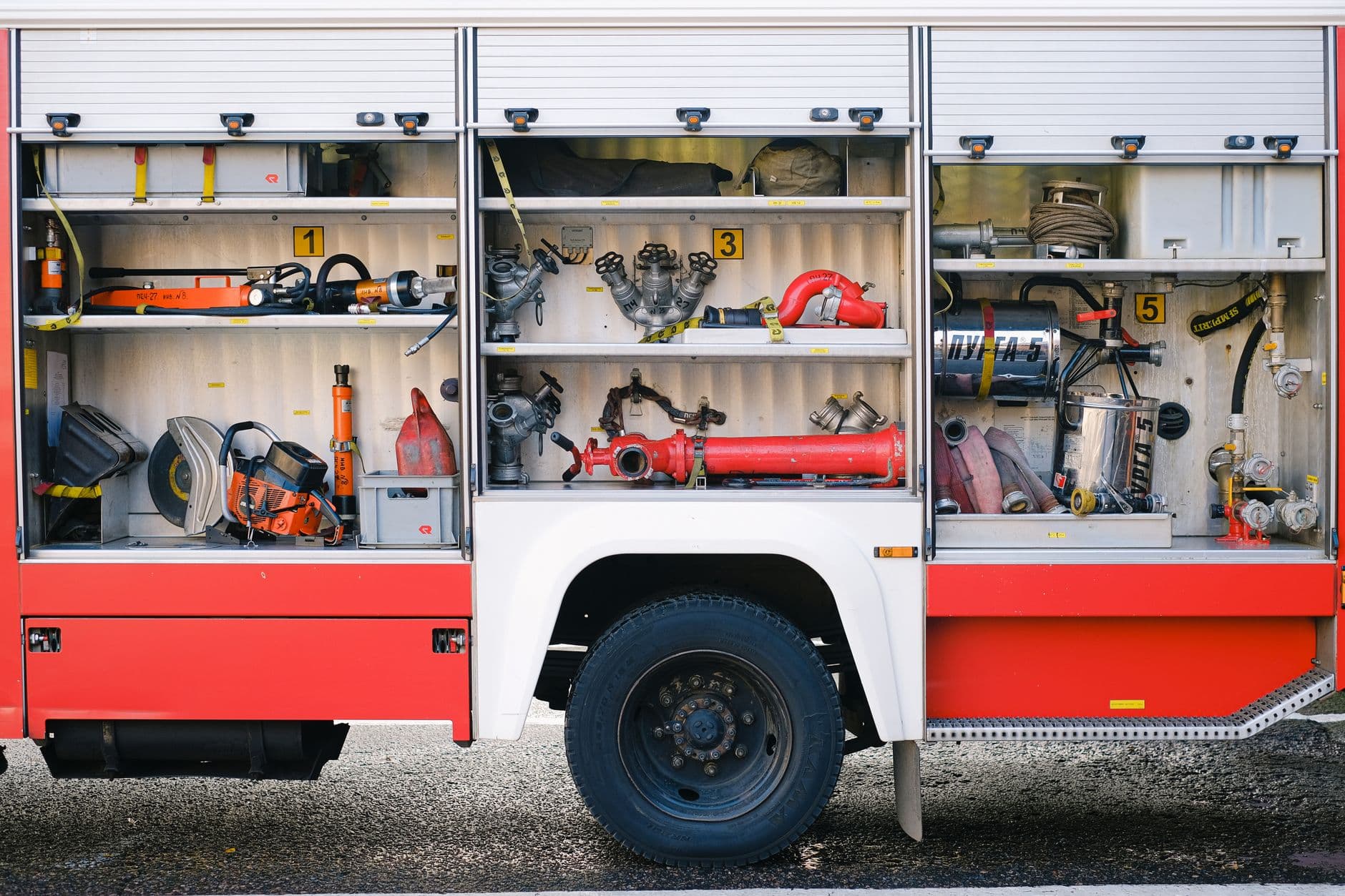
Photo by Anna Shvets on Pexels
Why accessory drive issues deserve attention early
A belt, tensioner, or pulley problem can look minor right up until it is not. On a work truck, the accessory drive keeps more than one system moving: alternator output, water pump operation on many setups, power steering assist, air conditioning, and other driven accessories. When one part starts to slip, wobble, or bind, the rest of the system can take the hit.
In Kamloops and across the BC Interior, dust, heat, load cycles, and rougher roads can all shorten the life of these parts. That is why a squeal on startup, a fresh dust trail near the pulley set, or a belt that no longer tracks cleanly is worth a closer look. For fleets trying to avoid surprise downtime, this is the kind of small issue that is easier to handle in the shop than on the shoulder.
If you are already seeing other accessory-drive concerns, it may be a good time to book a visit through the service department before the problem spreads.
Warning signs drivers and mechanics can spot
The early clues are usually simple, but they matter. Start with the sound. A sharp squeal, chirp, or brief belt noise after startup can point to slip, misalignment, or a tensioner that is not keeping consistent pressure. A more constant growl or rumble often makes people think about a bearing issue in an idler or tensioner pulley.
Then look at the belt itself. Cracks, glazing, frayed edges, missing ribs, or black dust around the belt path are all signs that something in the system is not running cleanly. Dust alone does not tell the whole story, but a buildup near one pulley can point to heat, slip, or a component starting to seize.
A wobbling pulley is another clue. If the face of an idler or tensioner does not spin true, or if it visibly walks side to side, that is not something to ignore. The same goes for a tensioner arm that looks weak, sits at an odd angle, or moves more than expected when the engine is running.
What to note before the truck comes in
A good repair conversation starts with good observations. Drivers do not need to diagnose the issue, but they can save time by noting when the noise happens. Does it show up cold, hot, under load, at idle, or only during acceleration? Does it disappear when the air conditioning is off? Has there been recent belt work, a pulley replacement, or an accessory change?
Photos help too. A wide shot of the belt path, a close photo of the belt face, and a clear view of any pulley that looks off can give the shop a head start. If the truck is equipped for mobile work, those details can help decide whether a mobile service visit is enough to inspect the unit on site or whether it should come into the shop.
For fleets, it also helps to record whether the unit has had repeated belt adjustments, recurring squeal, or unexplained belt dust after more than one service. Patterns matter here.
Why timing matters for fleets and operators
A failed belt does not just stop one accessory. Depending on the engine and setup, it can quickly turn into a charge issue, a steering complaint, overheating risk, or a unit that is no longer safe to keep running. That can mean tow bills, missed dispatch, or a roadside delay that was avoidable.
For contractors, logging trucks, and mixed commercial fleets, the practical move is to treat recurring belt noise as a service item, not a nuisance. If the belt path is due for inspection, the tensioner is weak, or a pulley bearing is making noise, replacing the failing part before it takes the belt with it usually saves time.
If you need parts support for a belt, pulley, or tensioner job, the parts department can help match the right components to the unit and the application.
A simple rule of thumb for the shop
If the sound is new, the belt is leaving dust, or any pulley looks like it is not spinning true, do not wait for the drive to fail completely. Have it checked, document what the driver heard and when, and plan the repair before the next run. That is the sort of small maintenance habit that helps keep commercial truck maintenance in BC more predictable and less reactive.
For commercial trucks, trailers, and forestry units moving through the Interior, steady inspection habits are often the difference between a quick fix and an unplanned stop.
Need More Information?
Contact our team to learn more about our equipment and services.