
Charge Air Hose and Clamp Clues That Can Explain a Loss of Boost
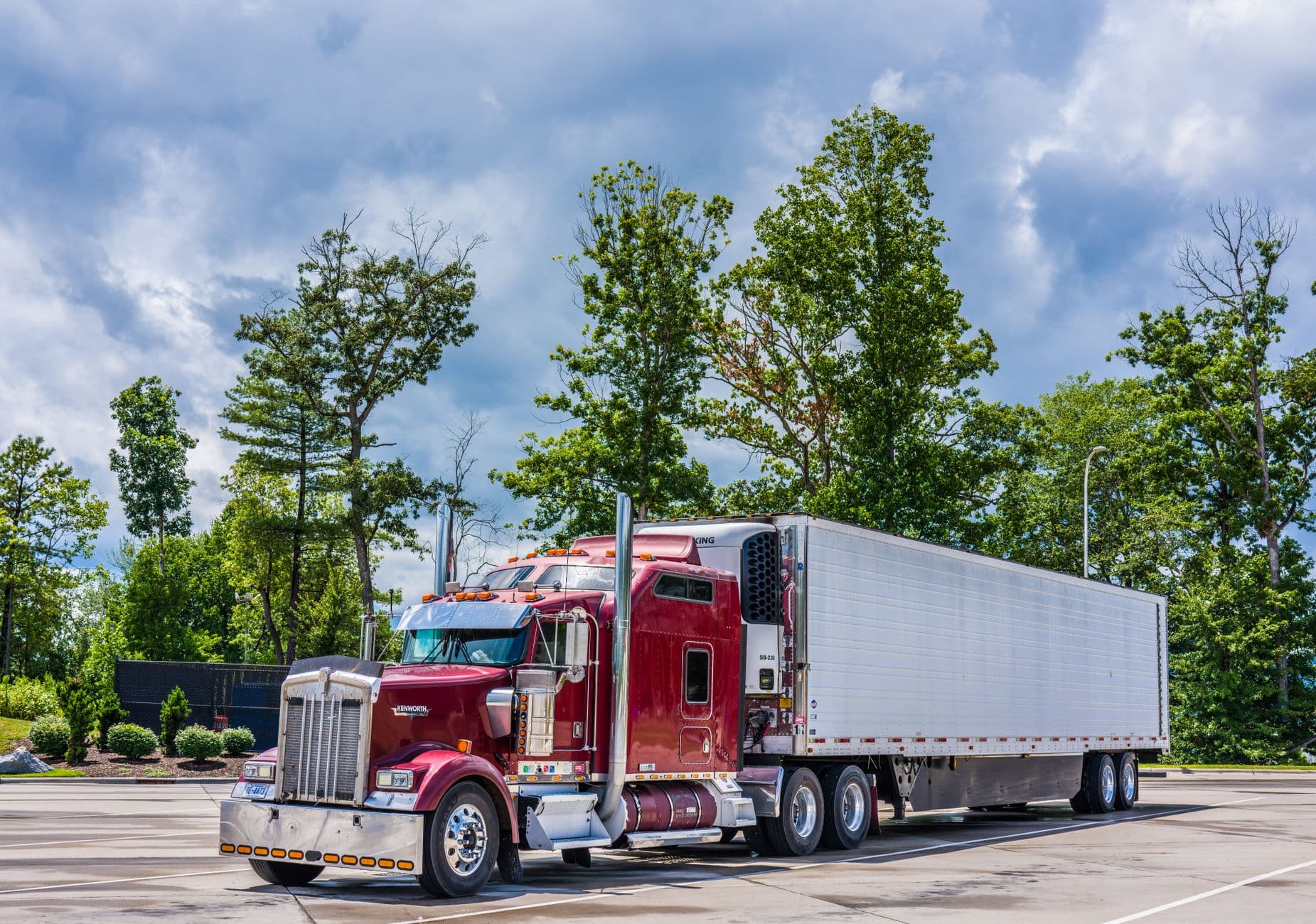
Photo by R9 Media Photo Collective on Pexels
Why charge air hose problems show up as weak pulling power
When a truck feels short on power, hesitates on hills, or takes longer to build speed than usual, the charge air system is worth a look. The hoses, boots, and clamps that carry compressed air from the turbo side to the engine can hide small problems for a while. A hose may still look intact from a distance even though it has a split on the underside, an oily seep at a clamp, or a boot that has started to walk out of position.
Drivers often describe the symptom before they can name the cause: a whistle under load, more turbo noise than usual, a drop in fuel economy, or a truck that just feels flat. That kind of detail helps a technician narrow down whether the issue is in the charge air path, the turbo itself, or somewhere else in the intake and induction system.
What to look for during a walkaround
A proper look does not need special tools. Start with the obvious signs: oil mist around a joint, a split boot, rubbed-through hose material, loose clamps, or a clamp that sits crooked on the bead. If a clamp has backed off, you may also see black dust marks or a shiny spot where air has been escaping under pressure.
Listen too. A steady whistle, a hiss that changes with throttle, or a new whoosh when climbing can point to air loss. If the truck is equipped with a dash message or boost-related fault, note exactly when it appeared and whether it cleared after key cycling or stayed active.
For fleet work, it helps to send the shop clear photos from the roadside or yard. Wide shots show where the hose sits. Closeups show the clamp, the boot ends, and any oil residue. A unit number and a quick note about load, speed, and road grade can save time when the truck gets into the bay. If the unit is already scheduled for service department, that information helps the team plan the inspection before the truck arrives.
What drivers should report before the truck comes in
The most useful notes are plain and specific:
- Did the problem start under load, at idle, or only on hills?
- Was there a whistle, hiss, or surge?
- Did power drop suddenly or gradually?
- Any smoke, warning light, or message on the dash?
- Has the truck had recent hose, turbo, or intake work?
Those details help separate a one-off event from a pattern. If the complaint only shows up hot, after a wash, or when hauling a specific load, that narrows the search even more.
Why early repair matters on working trucks
A small boost leak rarely stays small for long. More air loss can mean harder working engine components, poorer drivability, and extra downtime while the issue gets tracked down. On highway trucks, that can turn into missed delivery windows. On vocational units and forestry equipment, it can mean a machine that struggles in the middle of a job rather than at the shop.
For operators working in the BC Interior and across Western Canada, rough roads, vibration, and repeated heat cycles can all be hard on hose joints and clamps. That makes routine commercial truck maintenance BC more than a paperwork exercise. It is a practical way to catch the little things before they become roadside problems.
Getting the right parts and repair plan together
If a hose or clamp is already failing, replacement timing matters. Matching the right parts, checking adjoining boots and pipes, and making sure mounts and brackets are not letting the system shift are all part of a solid repair plan. Munden’s parts department can help identify the needed pieces, while the shop can inspect the surrounding components for damage that may have caused the problem in the first place.
For fleets needing Kamloops truck repair, mobile truck service Kamloops, or Kamloops trailer repair support, the best outcome usually comes from catching the symptom early and documenting it well. A quick note from the driver can be the difference between a straightforward fix and a longer diagnostic hunt.
Need More Information?
Contact our team to learn more about our equipment and services.