
Cooling System Checks Before Heavy Summer Pulls in the Interior
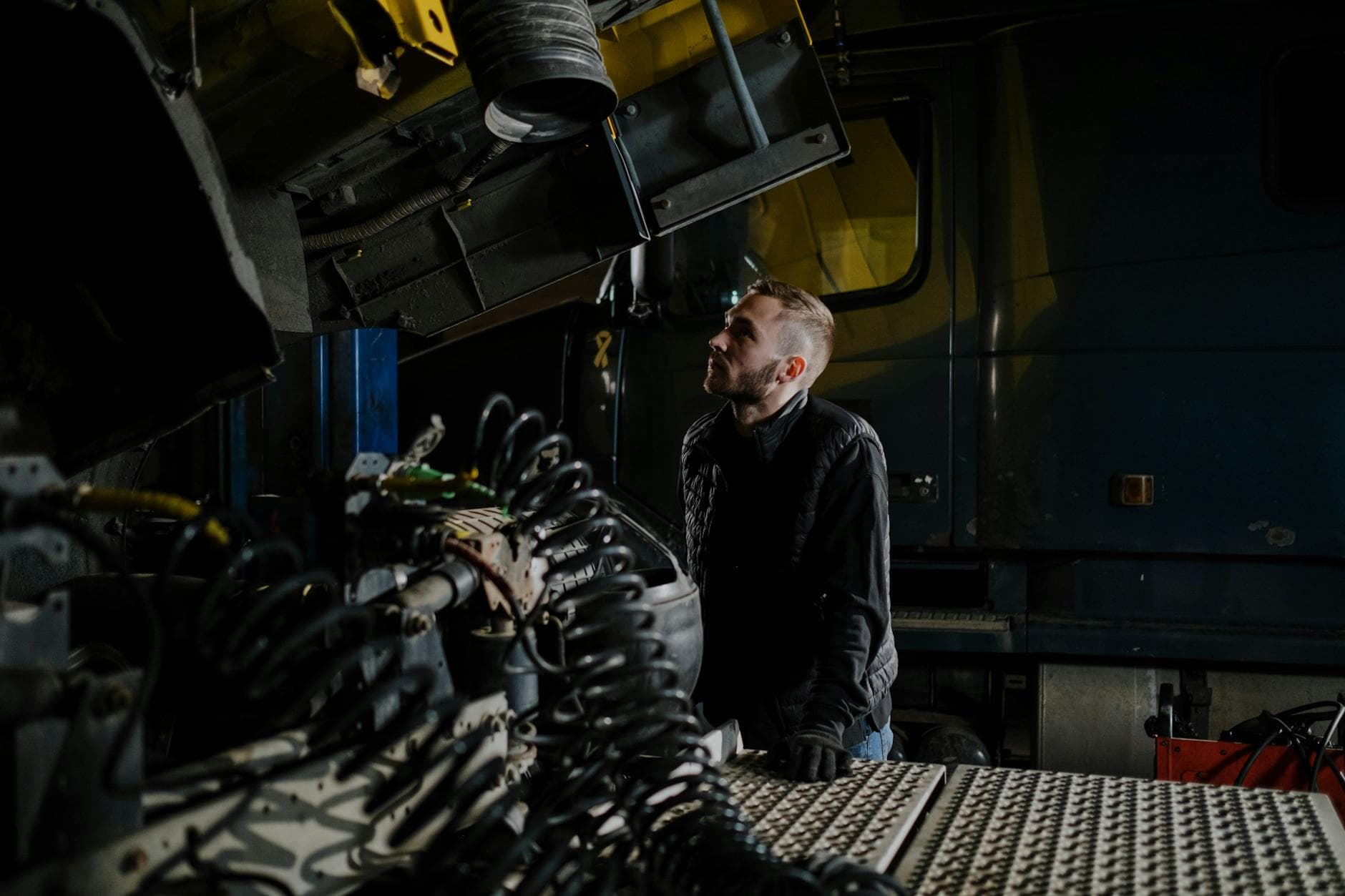
Photo by cottonbro studio on Pexels
Why cooling system issues show up fast on Interior routes
In the Kamloops area and across the BC Interior, trucks and equipment do not get many chances to cool off. Long grades, stop-and-go town work, dusty job sites, and heavy loads all add heat to a system that may already be working near its limit. A cooling system that seems fine around town can start showing its weak spots once the unit is pulled hard for a few hours.
That is why cooling checks matter before a truck is asked to climb, idle, and pull again all day. The goal is not just to prevent a roadside shutdown. It is also to protect the engine, reduce driver stress, and keep a fleet from chasing repeat heat complaints that never quite get solved.
What to look at first: radiator, coolant, fans, belts, and hoses
Start with the radiator and charge air cooler area. In dusty work, fins can load up with dirt, chaff, bugs, and road grime. When airflow is blocked, the system may not shed heat the way it should. A quick visual check can catch packed debris before it turns into a bigger problem. On forestry and off-road units, this becomes even more important because debris can build up quickly.
Next, look at coolant condition. Low coolant level, dirty coolant, or evidence of contamination can all point to a leak or poor maintenance history. A simple top-up may not be the answer if coolant is disappearing between service intervals. Small leaks at clamps, tanks, connections, or the water pump can be easy to miss until the truck is under load.
Belts and fan operation deserve attention too. A loose, glazed, cracked, or noisy belt can affect accessory drive and cooling performance. Fan clutches, fan hubs, and related controls should respond the way they are supposed to when the engine is hot. If the fan is not pulling air properly, the driver may notice temperature creep on climbs, while idling, or when traffic slows the unit down.
Hoses are another common trouble spot. Swelling, soft spots, rubbing, coolant staining, and oily residue are all clues that deserve a closer look. A hose that looks usable in the yard may fail after vibration, heat, and pressure build during a hard pull.
Driver clues that should not be shrugged off
Drivers usually notice cooling trouble before the shop sees it on paper. The important part is to write those clues down and pass them along clearly.
Watch for these signs:
- Temperature rising on hills or during long idles
- A fan that seems to cycle more often than usual
- Sweet coolant smell after shutdown
- Visible steam, drips, or wet spots under the front of the unit
- Heater performance changes that suggest low coolant
- A dash gauge that behaves differently than normal
These notes help technicians narrow down the problem faster. A fleet that tracks when the symptom appears, what the load was, and whether the truck was climbing, idling, or pulling in traffic gives the service team much better information to work with.
For fleets managing mixed equipment, the same habit helps across on-road units and service work in the shop. The details from the driver often point toward airflow, coolant loss, fan issues, or a system restriction before the truck ever gets on a hoist.
Planning service around grades, dust, and work cycles
Cooling system maintenance works best when it is tied to real job conditions, not just calendar dates. A unit hauling through the Interior may need attention at different intervals than a local truck that spends more time in short, low-load runs. That is especially true for commercial truck maintenance BC fleets that move between highway, yard, and jobsite use.
If a truck, trailer, or piece of equipment is going to face a stretch of heavy summer pulls, it is smart to inspect cooling before the schedule gets tight. That gives room to clean the core, replace tired belts or hoses, correct leaks, and handle fan concerns before the truck is needed every day.
When parts are needed, early planning helps. If a radiator, fan component, hose, or clamp has to be ordered, having the issue identified ahead of time can prevent downtime from stretching longer than necessary. Munden’s Parts Department can help source the pieces needed for a practical repair plan, and the Service Department can handle the inspection and repair work.
A practical last word for Kamloops and Interior fleets
Cooling problems rarely begin with one big failure. They usually start as a small leak, restricted airflow, weak belt, or fan issue that gets more noticeable under load. The sooner those clues are checked, the easier it is to keep a truck working through the heat, grades, and dust that come with Interior freight and forestry work.
For operators, that means paying attention to the gauge and the smell of the truck, not just the schedule. For fleet owners, it means building cooling system checks into preventive maintenance before the summer workload stacks up. For anyone working in Kamloops truck repair or mobile truck service Kamloops situations, a careful cooling inspection can save time, protect equipment, and keep the day moving.
Need More Information?
Contact our team to learn more about our equipment and services.