
Core Return Details That Help a Parts Order Close Out Cleanly
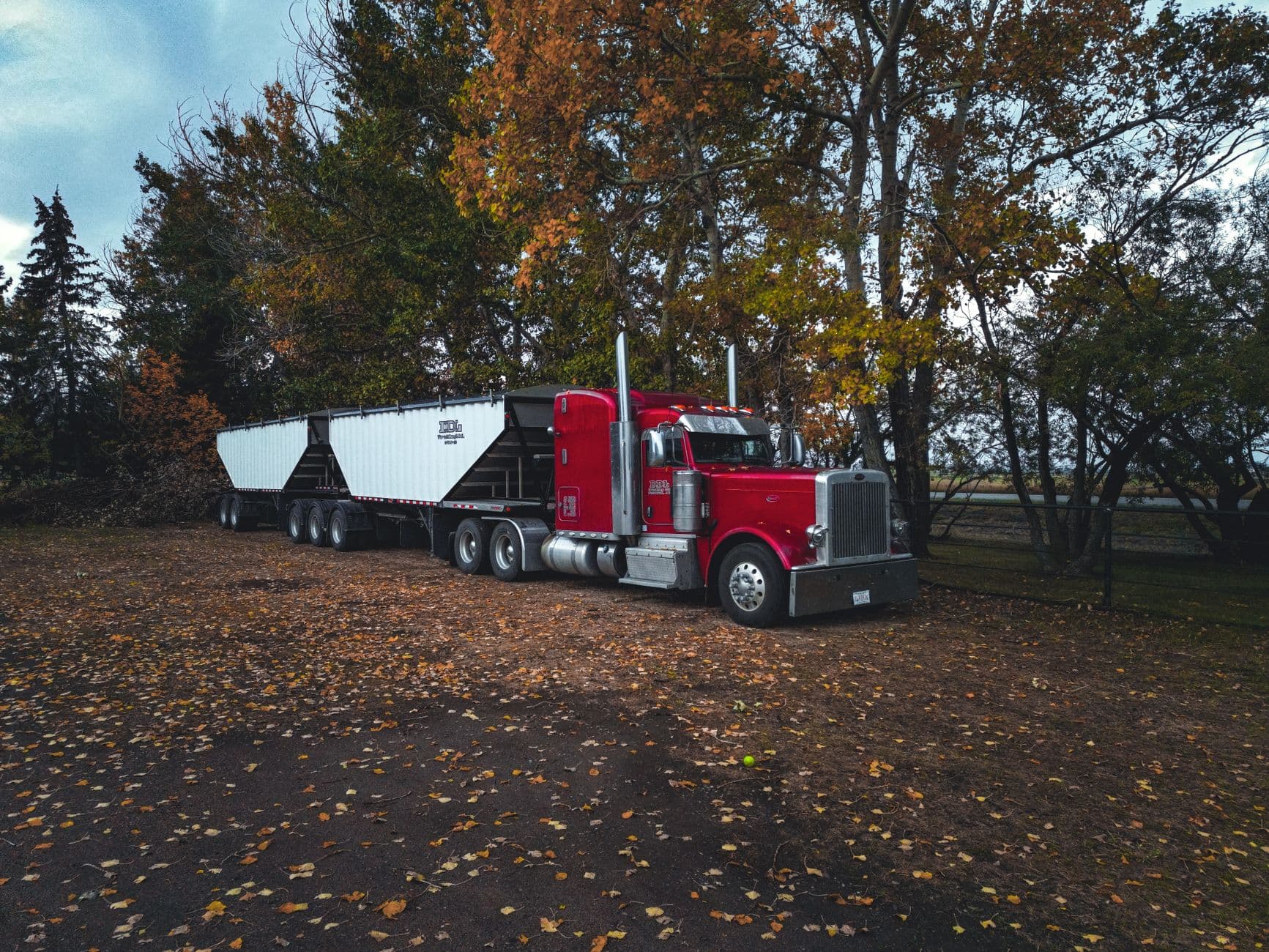
Photo by Peter Buhler on Pexels
Why core returns matter in day-to-day parts work
A core is the used part that comes back when you buy a rebuilt or remanufactured unit. In a busy shop or fleet yard, core returns can get overlooked because everyone is focused on getting the truck, trailer, or piece of equipment back to work. But the details matter. If the wrong core comes back, if it is missing pieces, or if it is not identified clearly, the counter team may have to pause the order and sort out the paperwork before it can be closed out.
For fleets around Kamloops and across the BC Interior, that extra back-and-forth can slow down a repair plan. It also makes life harder when you are tracking multiple units, multiple part numbers, and a mix of truck, trailer, and forestry equipment work.
What to check before the core leaves your yard
Start with the basics: make sure the returned part matches the part you received. Compare the part number, application, and any tags or labels that came with it. If the old unit was removed from a truck or trailer, note which unit it came off and keep that information with the return.
A few other details help a lot:
- Keep the core intact whenever possible; do not break it down further unless instructed.
- Drain or cap fluids only as appropriate for safe handling and transport.
- Bag loose hardware, brackets, sensors, or small covers so they do not disappear.
- Take a clear photo of the part before it leaves the shop.
- Note whether the unit had obvious cracks, impact damage, contamination, or heat damage.
That kind of detail helps the parts counter understand what is being returned and whether the condition matches the original order. It also helps the service team later if the same truck or trailer comes back with a related issue.
If you are already planning a larger repair, it often helps to coordinate the return with the work order. That way, the service department can keep the repair record and the parts record aligned instead of trying to piece things together later.
Paperwork and timing save a lot of phone calls
Core returns usually go smoother when the paperwork is complete before the part gets dropped off or shipped. Include the customer name, unit number, part number, and order number if you have it. If the return is tied to a warranty-style exchange or a remanufactured part program, the counter needs clean identification to match it properly.
Timing matters too. Don’t let a core sit unmarked on a pallet for weeks. Once it is removed from the truck or trailer, it is easy for that part to get mixed in with scrap, saved parts, or another job’s leftovers. A simple tag, bin label, or taped note can prevent that.
For fleets that keep their own stock, the parts department can also help you standardize what gets saved, what gets returned, and how it gets labeled so the next order is easier to process.
A good return helps the next repair move faster
Clean core handling is not glamorous, but it supports faster counter service and fewer surprises. It also helps shops and fleets stay organized when they are managing commercial truck maintenance BC-wide, especially where parts, labour, and roadside pressure can all stack up at once.
When the part is identified, the condition is documented, and the paperwork is complete, the return is much easier to close out. That means less time chasing details and more time getting the next truck, trailer, or forestry unit back on the road.
If your team is dealing with a core return that is tied to a bigger repair, it can help to talk through the order before the part leaves the yard. Good communication at the counter usually saves time later.
Need More Information?
Contact our team to learn more about our equipment and services.