
DEF and Aftertreatment Warning Lights Drivers Should Not Ignore
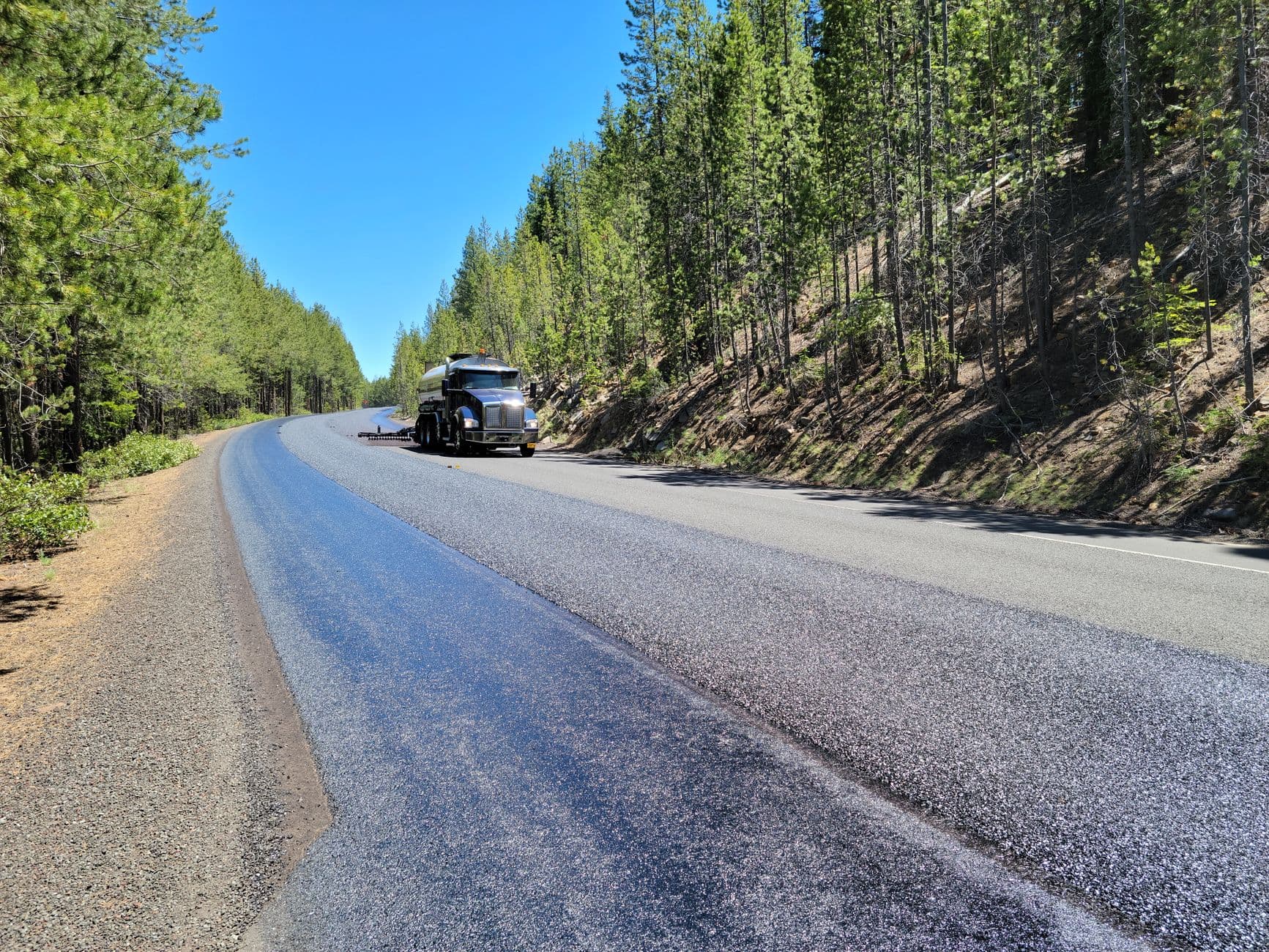
Photo by Tom Shamberger on Pexels
A small warning can become a big delay
DEF and aftertreatment systems are easy to overlook when a truck is still pulling fine. But once a dash message appears, the clock is usually already ticking on a potential shutdown, reduced power event, or forced visit to the shop. For fleet operators working in the Interior, that can mean a missed load, a late delivery, or a truck that is still drivable today but not tomorrow.
The main thing to remember is simple: do not treat an aftertreatment message like a background nuisance. Read it, write it down, and get the details to your service team early. That gives them a better shot at tracing the cause before the system limits performance.
What drivers should pay attention to
Not every warning looks the same, and not every problem starts with a red light. Some trucks show a DEF quality message, some call out low fluid level, and some point to a sensor or emissions fault. Others may show a check engine light first, then move into a more specific aftertreatment message later.
Useful details to note before you call in:
- Exact dash text or symbol
- When the message appeared
- Whether it changed after refuelling, idling, or a hill climb
- Any smell, smoke, or unusual exhaust behaviour
- Recent DEF fills, fuel fills, or maintenance work
- Whether the truck is losing power or showing a derate countdown
If the warning comes and goes, that still matters. Intermittent faults often leave clues that help a technician narrow the issue faster.
Common clues that point to an aftertreatment issue
Some warning lights are tied to fluid handling, while others point to sensors, wiring, or a soot-related restriction. A few common clues include:
- Low or contaminated DEF
- Crystallized residue around the fill neck or lines
- Faulty sensor readings
- Wiring damage near the tank or dosing components
- Repeated regens or incomplete regens
- Poor idle habits that add stress to the system
If a truck has recently sat for a while, gone through dusty work, or had a fluid top-up from an unfamiliar source, those are worth mentioning too. In commercial truck maintenance BC, the best repairs usually start with a clean history and accurate driver notes.
Why early service calls help
Aftertreatment systems rarely fail in one neat step. More often, they drift from a minor warning into a drivability problem. Catching it early can help reduce roadside surprises and avoid turning a sensor issue into a larger repair.
That is especially important for fleet trucks that still need to pass inspections and keep moving. If a unit is already due for other attention, a technician can often review the aftertreatment concern at the same time as a general service visit. If you are setting that up, our Service Department can help with diagnosis and repair planning.
For operators running outside the shop yard, Mobile Service may be a practical way to get the first look without losing as much travel time.
Practical steps for fleets and owner-operators
Before the truck goes back into service, make sure the basics are handled cleanly:
- Confirm the right DEF was used
- Keep caps, fill areas, and containers clean
- Do not ignore recurring alerts after a reset
- Record odometer, fault message, and engine conditions
- Schedule inspection if the truck shows repeated derate behaviour
If your route takes you through the Kamloops area or across Western Canada, a quick response to an aftertreatment warning is often cheaper in time than waiting for the problem to grow. The goal is not to guess at the fault — it is to get enough information to fix it efficiently and safely.
Need More Information?
Contact our team to learn more about our equipment and services.