
Driveline Vibration Clues Fleet Drivers Shouldn’t Ignore
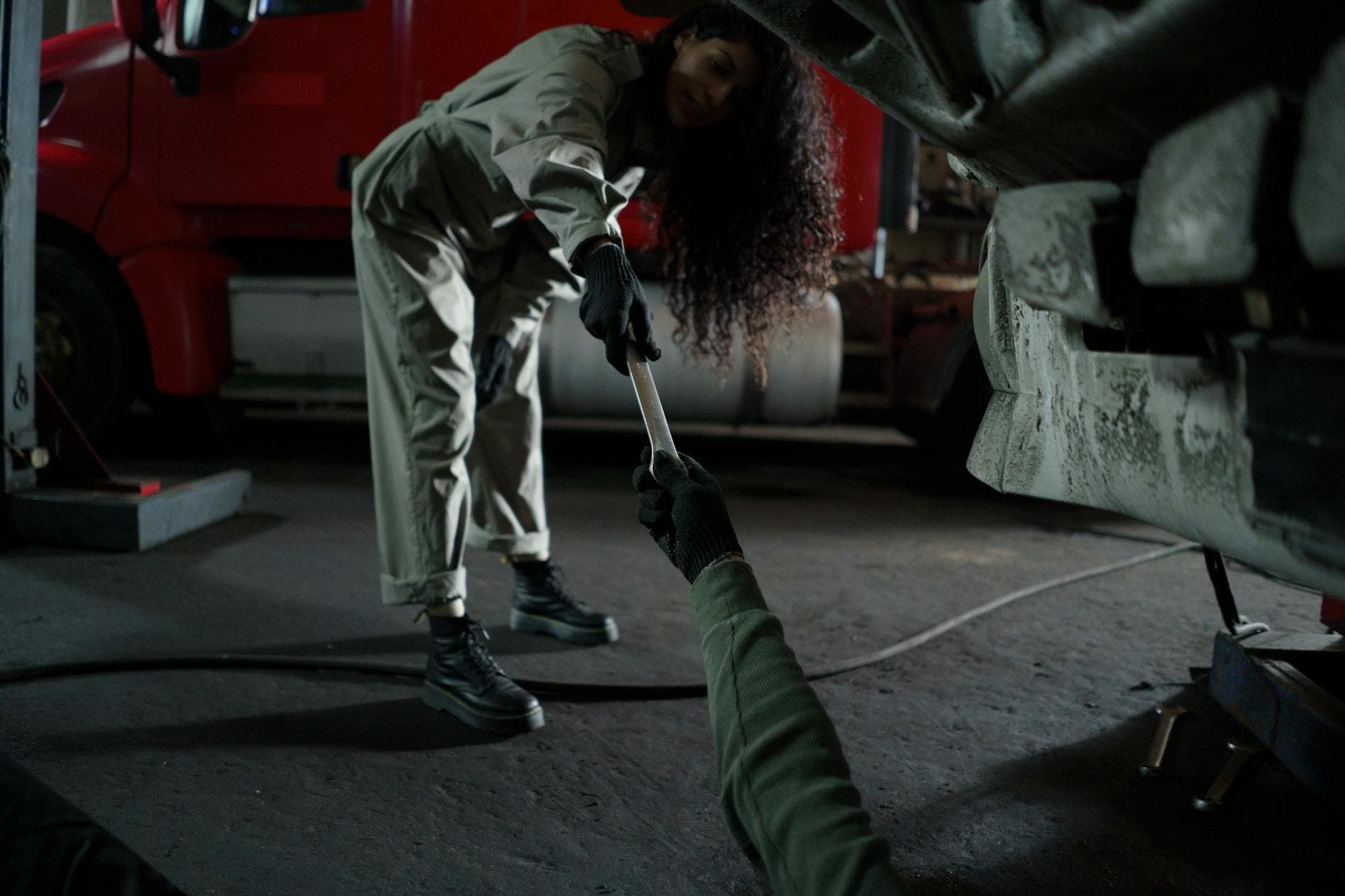
Photo by cottonbro studio on Pexels
When a vibration is more than an annoyance
Drivers get used to all kinds of noises and shakes over time. The trouble is that a driveline vibration often starts small and only shows up under certain conditions: a light throttle pull, a loaded hill, a cruise-speed run, or a quick change in road surface. If that shake keeps coming back, it is worth paying attention to.
In shop work around Kamloops and the BC Interior, vibration complaints usually point to something in the driveline, not just the seat or cab. That can include u-joints, carrier bearings, axle-related issues, imbalance, or a component that has worn enough to move under load. The sooner those clues are written down clearly, the faster a technician can narrow the search.
For fleets, contractors, and owner-operators, this is one of those problems where good driver notes save time. If you are already tracking truck condition through scheduled service records, add vibration details to the same habit.
Common driveline clues drivers can report
A useful vibration report does not need to sound technical. It just needs to be specific. Ask the driver to note:
- The speed range where the vibration starts
- Whether it happens empty, loaded, or both
- If it shows up on acceleration, coast, or steady cruise
- Whether it changes after a load shift, road change, or turn
- Any new clunking, squeaking, clicking, or growling
Those details help separate a driveline issue from tire balance, wheel-end concerns, or a road surface complaint. They also help a service team decide whether the truck needs a deeper inspection in the bay or whether mobile support can confirm the symptoms first.
If the vibration comes with a new sound, visible movement, or a rough feel that is getting worse, it should not be brushed off as “just one of those truck things.” A problem that starts as a mild shake can become a driveline failure if the worn part keeps taking load.
Parts of the driveline that deserve a close look
A thorough inspection usually starts with the basics and works outward. That means checking u-joints for play, looking for dry or damaged joints, and checking for signs of heat or unusual wear. Carrier bearings deserve attention too, especially on longer wheelbase units that carry a lot of load and road shock.
Balance is another common piece of the puzzle. If a vibration appears at a fairly narrow speed range, imbalance or runout may be part of the story. If the shake changes under power but disappears on coast, that can point technicians toward load-related movement rather than a simple tire issue.
A road test with clear notes matters here. The technician wants to know if the vibration is felt in the seat, floor, steering wheel, or whole cab. They also want to know whether the condition changed after a recent repair, a tire swap, or a change in hauling pattern. That kind of information shortens diagnosis and reduces guesswork.
For fleets that run mixed equipment or forestry units, the same attention applies across the truck and trailer set. If a unit is already in for parts support, the parts department can help line up common wear items before the truck is tied up in the bay.
When to stop driving and get it checked
Not every vibration means the truck needs to be parked immediately, but some signs call for a faster response. Get it checked sooner if the vibration is getting stronger, if the truck starts making new noises, or if there is visible movement under the vehicle. Fresh grease around a joint, torn seals, or a hot component are also worth attention.
If the issue happens on a route where a roadside call is possible, mobile service may be the right first step for an assessment. If the driveline problem is clear or worsening, a shop inspection is usually the better move so the truck can be lifted, checked, and repaired properly.
In Kamloops and across Western Canada, the practical approach is simple: write down the symptom, note the conditions, and do not wait until the vibration turns into a bigger breakdown. That habit helps keep trucks moving, protects other components, and gives the repair team a better starting point.
Practical takeaway for fleet owners and operators
A driveline vibration is a message, not just a nuisance. The best response is a calm one: capture the speed, load, and road conditions; note any related sounds; and get the unit inspected before the problem spreads. For commercial truck maintenance in BC, that kind of observation often makes the difference between a straightforward repair and an avoidable downtime event.
If you need help sorting out a vibration complaint in the Interior, Munden Truck & Equipment Ltd. can help with truck and trailer service, inspection work, and the kind of diagnosis that starts with real road symptoms.
Need More Information?
Contact our team to learn more about our equipment and services.