
Forestry Cab Glass, Guards, and Access Panels: Small Damage That Can Turn Into Bigger Delays
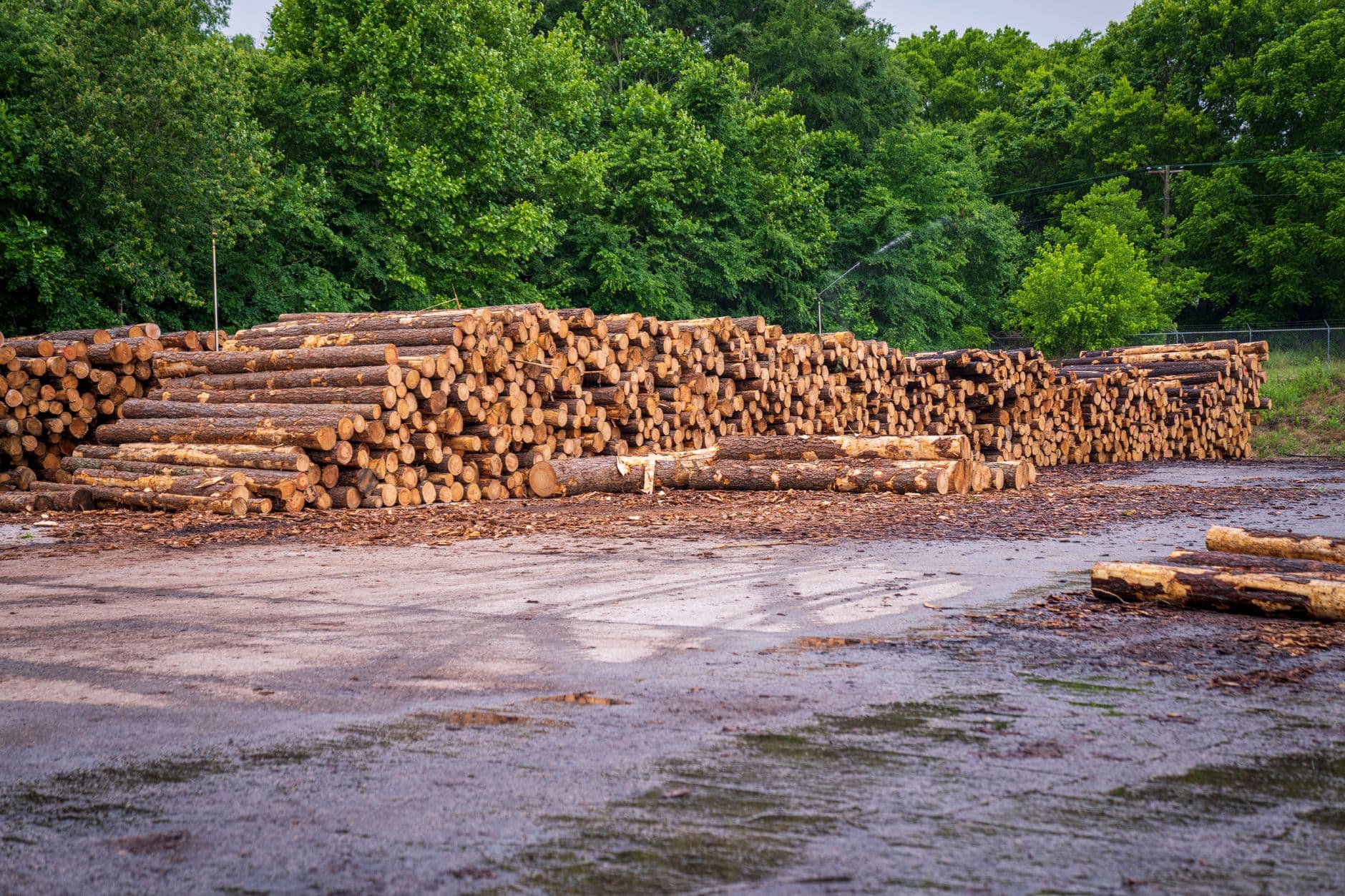
Photo by Mark Stebnicki on Pexels
Why these small checks matter on a working machine
Forestry equipment works in places where branches, dust, vibration, and constant opening and closing of panels are part of the day. That means cab glass, guarding, and access panels take a beating even when the machine itself is running fine. A cracked window, loose latch, or bent guard may not stop production right away, but it can affect visibility, sealing, safety, and how easy it is to keep the machine serviced.
For crews running in the Kamloops area and throughout the BC Interior, it helps to treat these items as part of normal between-job walkarounds, not just something to notice when a problem gets big.
What to look for during a walkaround
Start with the cab glass. Look for chips that have started to spread, scratched areas that catch glare, and cracks near the edges where stress tends to show up first. If the machine is washing out or the glass is fogging more than usual, check whether seals are still sitting properly and whether dust or moisture is getting past the frame.
Next, inspect guards and protective screens. Bent mesh, missing fasteners, or loose brackets can mean the guard is no longer sitting where it should. Even if it still looks usable, a shifted guard may vibrate, rub, or leave a gap that should not be there.
Access panels deserve the same attention. If a panel is hard to close, does not line up cleanly, or needs extra force at the latch, note it. That can point to a worn hinge, damaged catch, or a mounting issue. Look for cracked tabs, elongated holes, missing hardware, and rub marks that show movement.
The clues operators should write down
A good report from the operator saves time in the shop. Instead of just saying the panel is “loose,” it helps to note:
- which side or corner is affected
- whether the problem started after brush contact, transport, or a service visit
- if the issue is constant or only shows up when the machine is vibrating or under load
- whether glass damage is spreading, fogging, or leaking
- whether latches still hold or need to be forced
Photos help too. Wide shots show location, and closeups show the crack, broken tab, or missing hardware. That kind of detail can help the service team plan the repair and parts needs before the machine rolls into the yard.
When to plan repair time instead of waiting
Some damage can wait until a scheduled stop, but anything that affects visibility, sealing, or securement should move up the list. A small crack in the right place can become a bigger replacement. A loose panel can create vibration damage around the mount. A guard that is not staying put can turn into a repeat problem if the root cause is ignored.
If your crew is managing mixed equipment, it can also help to combine this work with other planned service. Our service department can look at the whole picture, and our EcoLog forestry equipment page is a good place to start if you are working around machines that see rough conditions every day.
Keeping the machine easier to use day after day
Good cab condition is not just about comfort. Clear glass, tight panels, and sound guarding make the machine easier to inspect, easier to service, and less likely to suffer avoidable downtime. In dusty, rocky, or brush-heavy work, those small details add up quickly.
For forestry crews in Kamloops and across Western Canada, a few extra minutes between jobs can catch issues while they are still simple. That usually means less disruption later, and a better chance of keeping the machine ready for the next shift.
Need More Information?
Contact our team to learn more about our equipment and services.