
Forwarder and Harvester Uptime Habits for Forestry Contractors
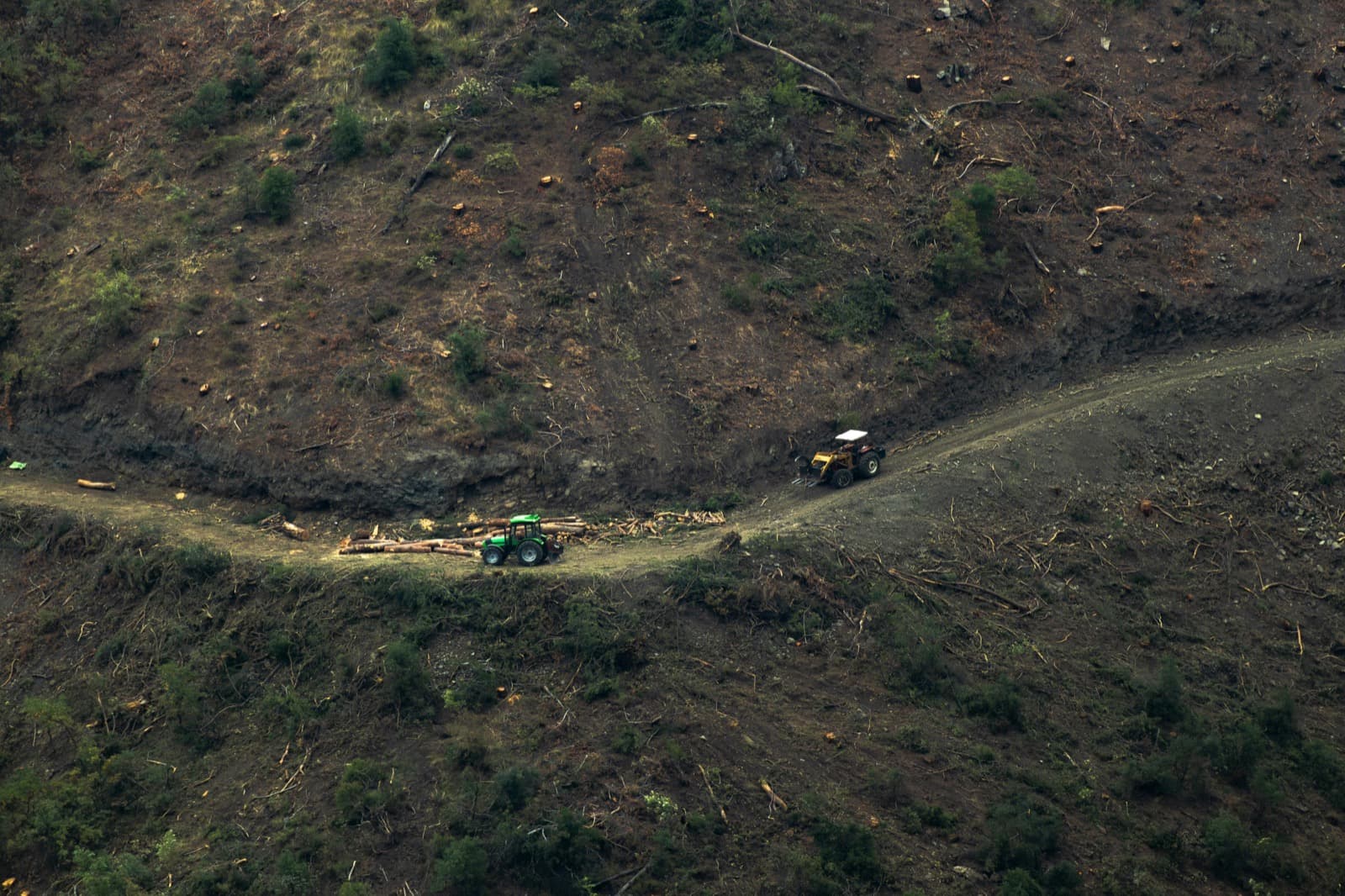
Photo by Emrecan Dora on Pexels
Forestry uptime is built before the machine stops
Harvesters and forwarders earn their keep in conditions that are hard on everything: mud, dust, steep ground, slash, cold starts, long hours, and constant vibration. In that environment, downtime rarely comes from one big surprise. More often, it starts as a small warning sign that gets missed during a busy shift.
For forestry contractors in Western Canada, uptime is not just about having a strong machine. It is about building habits around inspection, reporting, parts planning, and repair timing. A few minutes at the start and end of the day can help decide whether a machine keeps working or waits for support in an inconvenient place.
That does not mean every contractor needs a complicated system. It means the daily checks have to be consistent enough that small changes stand out.
Make daily checks practical enough to repeat
A useful inspection is one the operator will actually do. Start with the areas most likely to affect safety, productivity, and repair planning: hoses, fittings, tires or tracks, guarding, pins, saw head components, fluid levels, filters, lights, steps, and access points.
Hydraulic lines deserve close attention. Look for abrasion, seepage, twisted routing, loose clamps, or fittings that are starting to collect dirt. A hose that looks damp today can become a shutdown tomorrow, especially when the machine is working under load or at full movement.
The same idea applies to wear parts and moving points. If a pin, bushing, chain, roller, or guard is changing quickly, write it down before the end of shift. Forestry equipment often gives a short warning before the repair becomes larger. Operator notes help the shop understand whether the issue is stable, getting worse, or tied to a specific attachment movement or work condition.
Keep parts information close to the machine
Remote work makes parts planning more important. When a forwarder or harvester is parked far from the shop, missing one detail can cost a day. Unit numbers, serial numbers, attachment details, photos, measurements, and old part numbers all help the parts team narrow down what is needed.
Contractors should also think about critical spares. Filters, common hoses, fittings, wear items, and service supplies are easier to plan before a machine is down. The right list depends on the machine, application, season, and how far the crew is working from support.
For operators running or considering EcoLog forestry equipment, good records are especially useful because they connect the machine, head, service history, and parts needs in one place. That makes it easier to separate a one-off repair from a pattern that deserves deeper attention.
Use operator notes to spot repeat problems
Good notes do not need to be polished. They need to be clear. If a machine is losing power at a certain time of day, running hotter after a specific task, or leaking only when the boom is extended, those details matter. They help technicians avoid guesswork and reduce time spent chasing a problem that only appears in the bush.
Photos are often the fastest way to explain an issue. A picture of the hose routing, a cracked guard, a warning light, or a damaged fitting can tell the shop more than a long description. Pair that with the hour meter, location, and what the operator noticed first.
The best habit is to report changes early. A new vibration, slower function, unusual smell, or recurring warning should not wait until the next major service if it is getting worse. Early reporting gives the contractor more options: schedule the repair, bring parts to the machine, or decide whether the unit needs the shop.
Plan service around production, not panic
Forestry work will always be hard on equipment. The difference is whether maintenance happens on a planned window or after a preventable stop. Daily checks, practical spares, clear operator notes, and timely service planning all help keep that decision under control.
For contractors working across the BC Interior and Western Canada, uptime is a team habit. Operators notice the first signs. Fleet managers plan the window. Parts and service teams turn the notes into the right repair. When those pieces work together, harvesters and forwarders have a better chance of staying productive when the jobsite is far from convenient.
Need More Information?
Contact our team to learn more about our equipment and services.