
How to Prepare a Truck or Trailer for a Productive Shop Visit
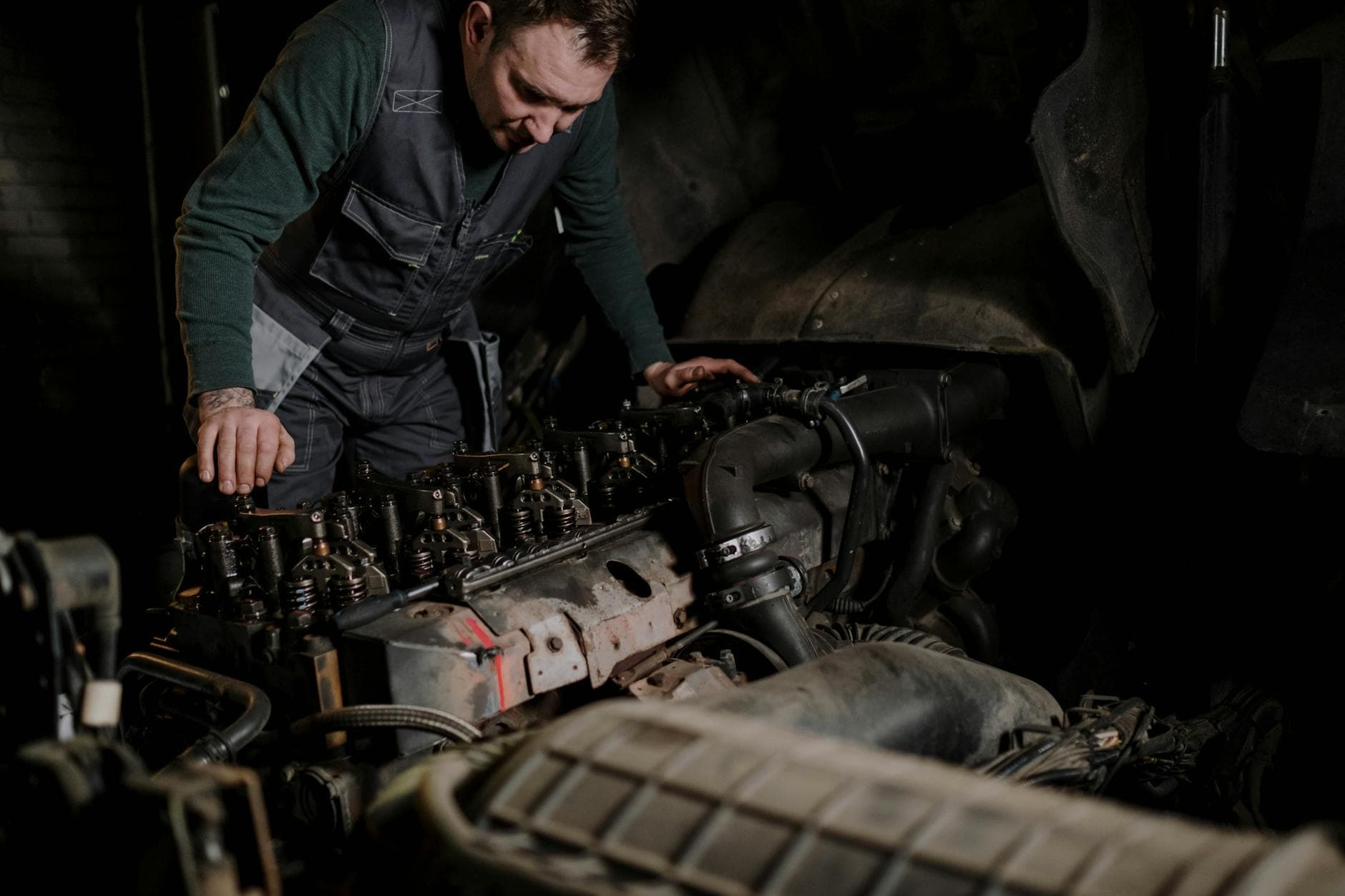
Photo by cottonbro studio on Pexels
Why a little prep pays off
When a truck or trailer comes into the shop with a clear symptom history, the repair process usually starts on better footing. Techs still need to inspect the unit, but they can spend less time guessing and more time confirming the actual problem. That matters whether you manage a mixed fleet, run a single work truck, or keep equipment moving for a forestry contract in the BC Interior.
A productive shop visit is not about writing a novel. It is about giving the service team the right clues: what happened, when it happened, what the driver noticed, and what has already been checked. That kind of information helps with commercial truck maintenance in BC because many problems are intermittent. A noise, vibration, air leak, no-start, or trailer fault may only show up under certain loads, speeds, temperatures, or road conditions.
If the repair is time-sensitive, a little planning also helps the parts counter. When the shop knows the likely system involved, they can look ahead at common wear parts, seals, hoses, electrical pieces, or hardware before the unit arrives. That can reduce delays once the inspection is underway. If you want a hand organizing that side of things, Munden’s service department and parts department are built around that kind of practical coordination.
What to capture before the truck or trailer rolls in
Start with the basics and keep it plain.
Write down the symptom in driver language. For example: “Right rear brake feels hot after highway run,” “Trailer lights cut out after hitting rough road,” or “Truck starts fine cold but cranks longer after lunch.” Those simple notes often point the technician toward a system faster than a generic “check engine” or “needs looked at.”
Add timing and conditions. Note whether the issue happens cold or warm, loaded or empty, at idle or highway speed, on wet roads, after a wash, or only when turning. If there is a pattern, mention it. If it is new, say that too.
Photos and short video clips can help a lot. A picture of a fluid trail, damaged hose, cracked bracket, leaking seal, worn tire edge, loose latch, or warning light on the dash gives the shop a head start. If the problem is intermittent, a quick phone video of the noise or vibration can be even better.
List any recent work, even if it seems unrelated. A brake adjustment, battery replacement, wiring repair, suspension job, or trailer service done a week earlier can matter. Service history is often where the best clues live, especially when a unit keeps coming back with the same complaint.
Make parts planning part of the repair plan
Some jobs are straightforward once the vehicle is in the bay. Others open up into two or three likely parts paths. That is where early parts planning helps.
If the unit is waiting on a specific component, let the shop know whether you need only the repair basics or whether there are related items worth checking at the same time. For example, a worn hinge may also have damaged hardware. A leaking fitting may point to a hose issue. A door problem may involve rollers, latches, seals, or mounting wear. That does not mean every related part should be changed automatically, but it gives the technician and parts team a chance to think ahead.
This is especially useful for mobile truck service Kamloops calls where the first visit is about diagnosis and stabilization, not always a full repair. If the tech can confirm the likely issue on-site, the follow-up shop visit is usually more efficient.
For forestry contractors and equipment owners, the same thinking applies to rough-use units. Mud, vibration, dust, and repeated loading cycles can mask the root cause. Clear notes and photos help the shop decide whether the problem belongs to hydraulic lines, brackets, wiring, mounts, or another system entirely. Munden also supports mobile service when the situation is suitable for on-site assessment.
What not to leave out of the conversation
A few details can save a lot of back-and-forth later.
Tell the shop if the unit is safe to move, if it has already been limped in, or if it should not be operated again until looked at. Mention any warning lights, unusual heat, smoke, loss of air pressure, steering changes, brake drag, or fluid loss. If the truck or trailer is heading toward a CVIP inspection Kamloops appointment, say so up front so the shop can plan around that timing.
It also helps to say what outcome you need. Sometimes the priority is to get a unit safely back to work. Sometimes the priority is diagnosis before a larger decision. Sometimes the need is to line up a repair around dispatch, loading, or a customer deadline. The more the shop understands the operating pressure, the easier it is to set expectations honestly.
A productive shop visit is not about perfect paperwork. It is about better decisions. A few notes, a couple of photos, and the right service history can turn a vague complaint into a focused inspection and a smoother repair path.
A simple handoff checklist
Before the unit arrives, try to have:
- A plain-language description of the symptom
- When it happens and under what conditions
- Photos or a short video, if possible
- Recent repair or service history
- Any known warning lights, leaks, noises, or damage
- A note about whether the unit can be moved safely
- A contact person who can answer questions quickly
That kind of handoff helps the shop work more efficiently and helps you get a clearer answer sooner. If you are planning a repair, inspection, or diagnostic visit in the Kamloops area, start with the details and build from there.
Need More Information?
Contact our team to learn more about our equipment and services.