
Hydraulic Hose Warning Signs Before a Small Leak Becomes Downtime
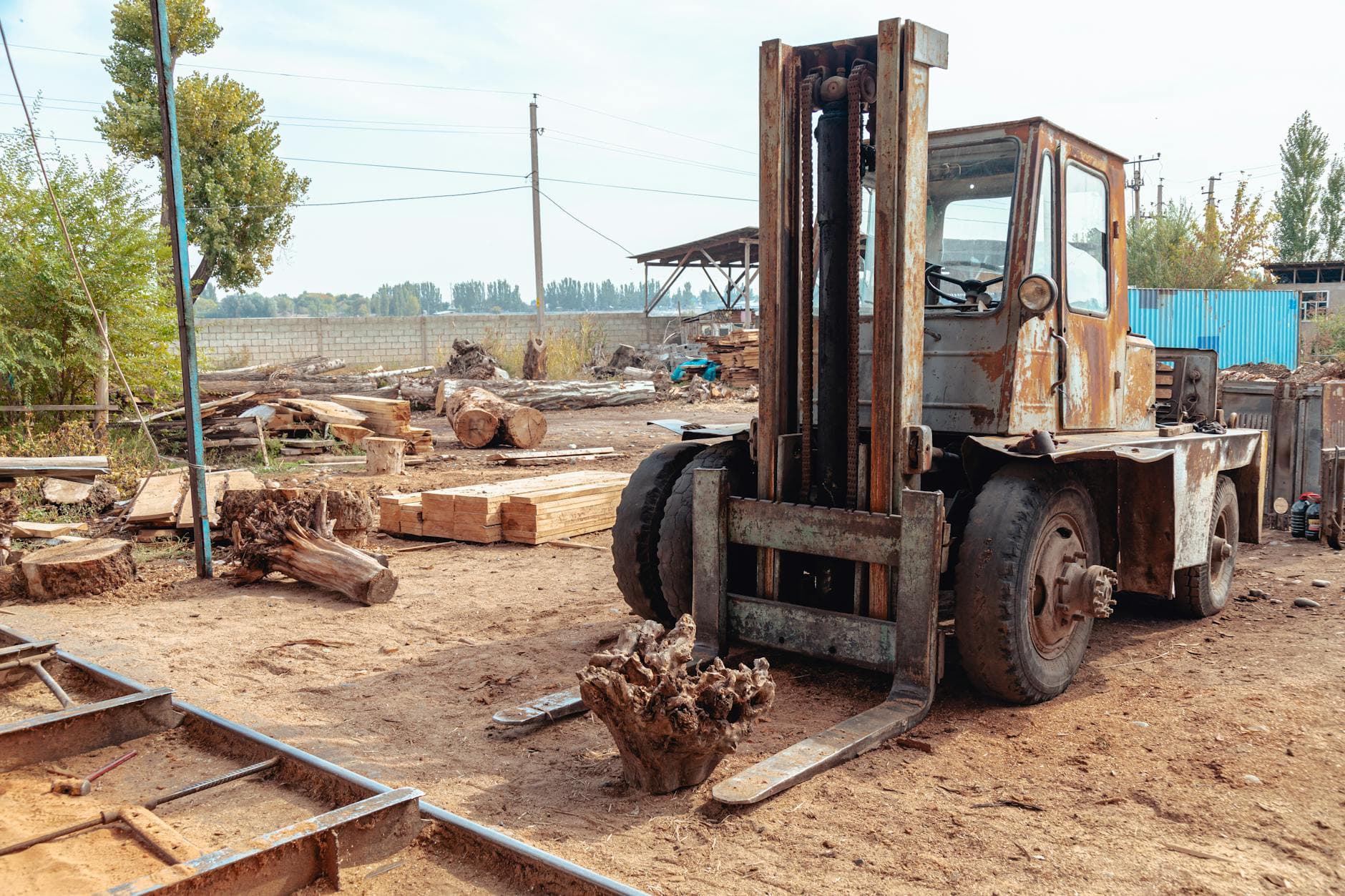
Photo by Collab Media on Pexels
Small hydraulic leaks usually leave clues first
Hydraulic systems do a lot of hard work on commercial trucks, trailers, and forestry equipment. When a hose or fitting starts to fail, it does not always burst right away. More often, it gives off warning signs that get missed because the equipment is still moving and the leak looks minor.
For fleet owners and operators around Kamloops, that is where a simple visual check can save a callout, a tow, or a longer repair window later. A damp hose, a shiny fitting, or fluid collecting around a connection may not seem urgent at first, but those signs usually mean something is already changing in the system.
The safest approach is to treat any new leak or fast-changing seepage as a problem worth checking early. Hydraulic fluid loss can affect steering, lifting, braking-related systems on some equipment, and attachment performance depending on the unit.
The warning signs that matter most
One of the biggest clues is abrasion. If a hose is rubbing against a frame, clamp, bracket, or another line, the outer cover can wear through long before the hose actually fails. That rubbing often leaves polished spots, scuff marks, or a flattened section where the hose has been moving under pressure or vibration.
Seepage is another one to watch. A fitting that stays wet after the machine has been cleaned can point to a loose connection, a damaged seal, or a line that is beginning to fatigue. If fluid is collecting at the crimp, around the ferrule, or at the end fitting, the issue is usually more than cosmetic.
Contamination also matters. Dirt packed into greasy residue can hide the real source of a leak and make the hose wear faster. On forestry and off-road equipment especially, mud, bark, and dust can mask a small problem until the hose fails under load.
A few signs are hard to ignore:
- fluid dripping onto guards, steps, or the ground
- hose outer cover cracked, soft, blistered, or cut
- fittings that look corroded, bent, or out of alignment
- repeated leaks in the same spot after a repair
- hoses that are twisted, pinched, or pulled tight at full movement
If the hose is showing multiple issues at once, it is usually time to stop using the equipment and assess it before damage spreads.
When to stop using the equipment
Not every damp line means the machine has to be parked immediately, but some conditions should move the job from “keep an eye on it” to “take it out of service.” If the leak is active, getting worse, or affecting how the machine operates, the risk of running it usually outweighs the time saved.
That is especially true when the equipment relies on hydraulics for steering, lift, braking functions, attachments, or load handling. A hose failure can become more than a cleanup issue if it leads to lost control, hot components getting sprayed, or a sudden drop in pressure.
If you are dealing with a truck, trailer, or attachment and you are not sure how serious the problem is, document the symptoms, note where the fluid is appearing, and get the unit looked at before the next dispatch. For problems that can be handled in place, mobile service may help with triage. If the leak is tied to a hose, fitting, cylinder, or manifold issue that needs a controlled repair, the service department is usually the better place to sort it out.
What to check before you call for repairs
A good parts or service call starts with a few details. The unit number, VIN, or machine serial number helps identify the right equipment. Photos of the hose routing, the leak location, and the damaged area can save time when the technician is planning the repair.
Measurements also matter. Hose length, end style, thread type, and fitting orientation all affect what is needed. If you have the old part number, even better. If not, a clear description of the symptom still helps: does the hose leak only under pressure, only when the boom or deck moves, or all the time?
That information helps the repair team decide whether the issue is a hose, a fitting, a seal, or a larger problem in the circuit. It also helps avoid a second delay if the replacement part needs to match the original setup closely.
For fleets and contractors who keep their own stock on hand, the parts department can usually work faster when the call includes good measurements and photos instead of a general description alone.
A little attention now can prevent a bigger repair later
Hydraulic problems often start small and get expensive when they are ignored. The goal is not to chase every stain on a machine. It is to notice the pattern: abrasion, seepage, contamination, damaged fittings, or a leak that changes with movement.
For Kamloops truck repair, trailer repair, and equipment maintenance work, that kind of early check can keep a unit available and reduce unplanned downtime. It also helps operators make better decisions about whether something belongs on the road, in the yard, or in the shop.
If you are seeing repeated hydraulic issues on trucks, trailers, or forestry equipment in Western Canada, it is worth putting the problem on the schedule before it turns into a breakdown at the wrong time.
Need More Information?
Contact our team to learn more about our equipment and services.