
How to Identify Truck and Trailer Parts Before You Call the Parts Counter
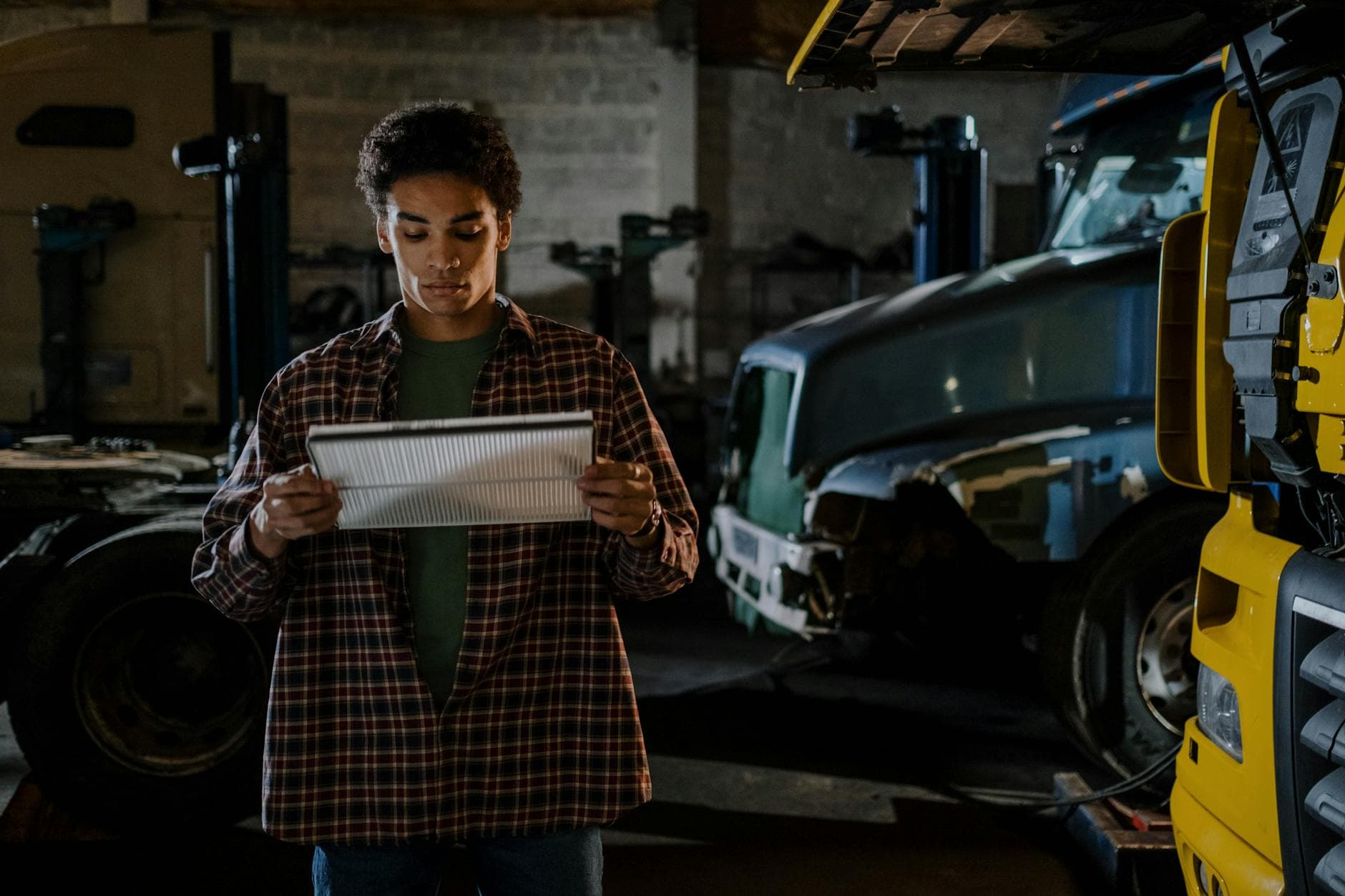
Photo by cottonbro studio on Pexels
Why good parts ID matters
Every parts counter has seen it: a driver or mechanic calls in with a problem part, but the unit model is half-known, the old part number is missing, and nobody has a photo. The result is usually a longer call, more back-and-forth, and a better chance of ordering the wrong piece.
For fleets, owner-operators, and forestry contractors working around Kamloops and the BC Interior, that delay can mean a truck parked in the yard or a trailer held out of service. Good parts identification is not about being perfect. It is about giving the counter enough solid information to narrow things down quickly and avoid guesswork.
If you are working on a commercial truck, trailer, or equipment unit, a few minutes of prep can make the difference between a one-call parts order and a frustrating round trip.
What to have ready before you call
Start with the basics:
- Unit number or fleet number
- VIN, if available
- Make, model, and year of the truck or trailer
- Engine, axle, or transmission details when they matter
- Any visible part numbers stamped, tagged, or cast into the component
- Photos from a few angles
If the old part is off the unit, keep it nearby. Clean off grease or dirt if you can do that safely, then look for labels, casting marks, sticker remnants, or wear patterns that help identify it.
Measurements are often the missing piece. Length, width, hose diameter, thread type, bolt pattern, connector style, and hole spacing can all matter. Even a rough measurement is better than none, as long as you say how you measured it.
When you talk to the counter, describe the symptom as well. A failed air compressor, a leaking hydraulic hose, or a broken trailer light can sometimes involve more than one component. The more you can explain what the part does and where it sits, the easier it is to match the right replacement.
Photos, symptoms, and old part numbers save time
A clear photo can solve a lot. Try to get:
- A wide shot showing where the part sits on the truck or trailer
- A close-up of the failed area
- Any labels, tags, or stamped numbers
- Connector ends, fittings, or mounting points
- A photo of the removed part beside a ruler or tape measure
Old part numbers are especially useful, even if the original part has been superseded. Bring the old box, label, invoice, or handwritten note if you have it. If a part number is hard to read, take a photo and zoom in later.
This is especially helpful for mixed fleets and older units where components may have changed over time. A trailer may have been repaired more than once, or a truck may have had non-original parts installed. In those cases, the VIN alone does not always tell the whole story.
If you are not sure whether a part is for the truck or the trailer, say so. It is better to admit uncertainty than to guess. The same goes for components that look simple but are easy to mix up, such as electrical connectors, air fittings, or hydraulic ends.
If you need help tracking down a part, our Parts Department can work through the details with you and help sort out what you actually need.
Common mistakes that slow down the order
A few habits tend to cause the most delays:
- Calling with only a symptom and no unit details
- Assuming a part matches because it looks close
- Leaving out right-side/left-side orientation
- Forgetting to mention whether the unit is truck, trailer, or equipment
- Relying on memory instead of checking the tag or old part number
One of the biggest issues is part substitution. A component may look the same but differ in mounting, thread pitch, length, electrical pin count, or duty rating. That is why it helps to bring the actual piece in whenever possible.
For commercial truck maintenance in BC, it also makes sense to think ahead. If a unit is already apart for service, check related wear items at the same time. That can save a second teardown later and reduce downtime for your crew.
A simple habit that keeps fleets moving
Build a basic parts ID routine for your drivers, mechanics, and shop staff. Ask them to save unit numbers, take photos before removing anything, and keep old parts or labels until the replacement is confirmed. That small habit pays off on road calls, in the shop, and during busy turnaround periods.
If the part issue is tied to a repair or inspection, our Service Department can help coordinate the next step. And when a unit is down away from the shop, mobile service support may be the fastest way to assess whether the part can be replaced on site or should come into the yard.
For fleets, contractors, and equipment buyers across Kamloops, the Interior, and Western Canada, clear parts identification is one of the easiest ways to reduce wasted time. The less the counter has to guess, the sooner your truck, trailer, or machine gets back to work.
Need More Information?
Contact our team to learn more about our equipment and services.