
Preventing Small Oil Leaks From Turning Into Larger Downtime Events
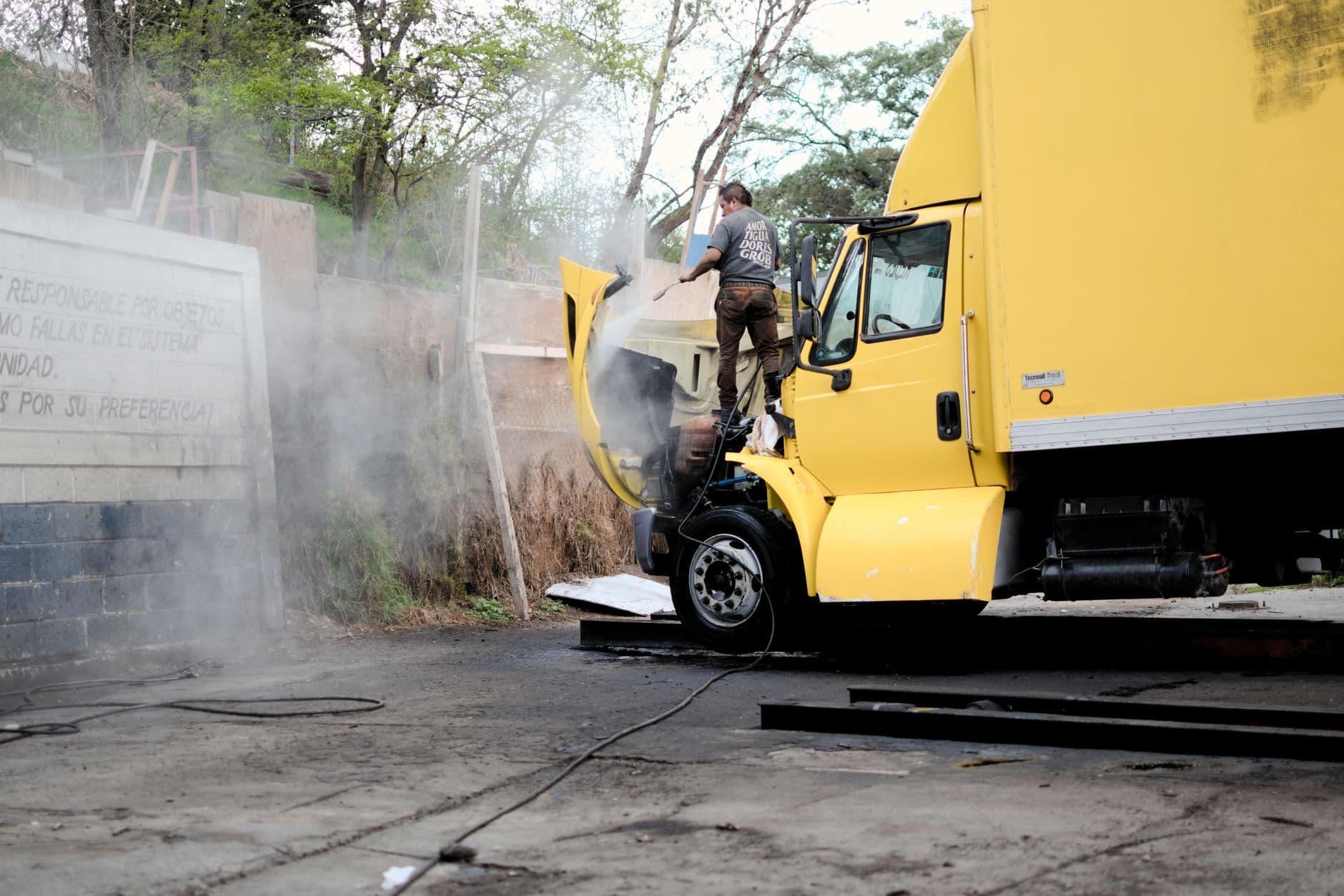
Photo by Jorge Romero on Pexels
Why small oil leaks deserve attention early
A wet spot under a truck or trailer doesn’t always mean a major repair, but it should never be ignored for long. In Kamloops and across the Interior, heat, dust, vibration, and rough roads can turn a seep into a bigger problem faster than many operators expect. A leak that starts at a seal, gasket, fitting, or hose end can slowly lower oil level, spread residue onto nearby components, or attract dirt that makes the source harder to track later.
For fleet owners, the real cost is often lost time. What starts as a top-up can become a roadside concern, a shop visit, or a job interruption if the leak reaches brakes, belts, wiring, or exhaust components. That is why small leaks belong in the same conversation as broader commercial truck maintenance BC planning, not just as a housekeeping issue.
What to look for during a quick walkaround
Drivers do not need to diagnose the source on the spot, but they can spot the early warning signs:
- Fresh drips after parking
- Damp residue around pans, covers, seals, or fittings
- Oil spray on nearby frame rails or crossmembers
- A drop in dipstick or sight-glass level over time
- Burnt oil smell after a run
- Dirt or dust collecting on an oily surface
If the leak is coming from a hose, fitting, or line, note whether it changes with engine speed, load, or temperature. If the area is covered in grime, a photo taken before the vehicle moves again can help the service team narrow down the source.
When you need parts support, the details matter. Good notes, a unit number, and photos can speed up the conversation at the parts counter. That is especially helpful when a truck is down and the team needs to compare seals, gaskets, or hose assemblies against the original component.
When to stop using equipment and call for service
Not every seep means an immediate shutdown, but there are times to take the equipment out of service and get it checked. Stop and call a technician if you notice:
- Active dripping rather than a light film
- A sudden change in leak rate
- Low oil level that keeps dropping
- Contamination from dirt, coolant, or fuel
- Oil reaching hot surfaces or electrical components
- Repeated leaks after top-ups
Those signs can point to a failed seal, cracked housing, loose fitting, or another issue that needs a closer inspection. In some cases, a truck may be a better fit for shop diagnostics and repair than continued operation. If the unit is stranded or the problem is limited to a manageable roadside concern, mobile service can be a practical first step, as long as the issue is safe to address outside the shop.
Keeping minor leaks from becoming repeat problems
The best time to handle a leak is before it becomes a cleanup job or a breakdown. That usually means checking oil level on schedule, looking for early residue during regular inspections, and paying attention after any recent work on seals, covers, pans, or fittings. If a vehicle has had repeated leaks in the same area, the underlying cause may be vibration, worn mounting points, or contamination that keeps damaging the seal.
For forestry contractors and mixed fleets, rough service can make these habits even more important. Trucks and equipment that spend time on dusty roads or uneven ground may need closer visual checks between service intervals.
A small oil leak is not just a drip on the ground. It is often an early clue that a component is wearing out, a connection is loosening, or contamination is starting to build. Catch it early, document it well, and get it looked at before it creates a larger downtime event.
For related support, connect with Munden's service department.
Need More Information?
Contact our team to learn more about our equipment and services.