
Reefer and Refrigeration Trailer Checks Before Warm Weather Freight
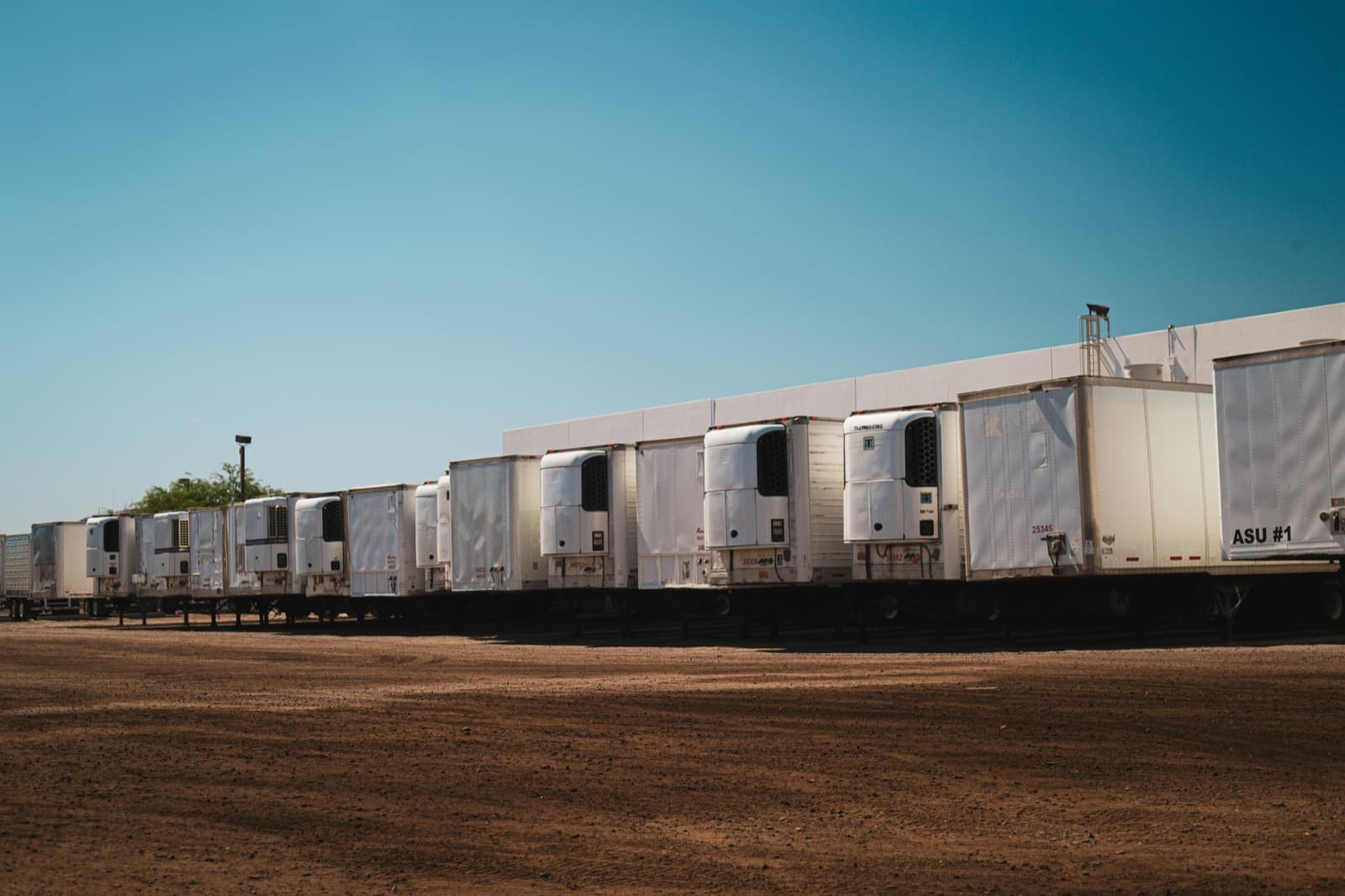
Photo by Tom Jackson on Pexels
Warm weather makes small reefer issues show up quickly
Refrigerated freight does not give a fleet much room for guesswork. When the weather warms up, a reefer unit that was barely keeping up in spring can become a real problem once the trailer is loaded, doors are opening, and the unit has to pull temperature down in full sun.
For operators in Kamloops and across the BC Interior, the goal is simple: catch the obvious issues before the trailer is under pressure. A refrigeration trailer does not need to fail completely to create a delay. Weak airflow, tired belts, dirty filters, poor door seals, and intermittent electrical faults can all make the unit work harder than it should.
That is why a pre-season or pre-dispatch check is worth doing before warm weather freight gets busy. It gives drivers, dispatchers, and maintenance teams a better chance of spotting trouble while there is still time to plan a repair.
Start with airflow, filters, and cleanliness
Airflow is one of the first things to check because refrigeration depends on moving air consistently through the box. If the evaporator area is dirty, blocked, or damaged, the unit may run but still struggle to control temperature evenly.
Look for debris around air chutes, blocked return paths, loose panels, or freight damage that may have changed how air moves through the trailer. Inside the box, note anything that could restrict flow once the load is in place. A trailer can have a strong unit and still perform poorly if air cannot circulate.
Filters and screens deserve attention too. Dust, pollen, yard dirt, and road grime can build up faster during the warmer months. If the unit has not been serviced recently, filter condition should be part of the conversation with your service department, especially before longer routes or temperature-sensitive loads.
Check belts, hoses, wiring, and door seals
Mechanical checks matter because many reefer problems start with wear that is easy to miss from a distance. Belts should be inspected for cracking, glazing, looseness, or noise. Hoses and fittings should be checked for rubbing, seepage, and signs of age. If something looks wet, shiny, or dust-covered around a connection, it is worth finding the source before the unit is dispatched.
Electrical connections are another common trouble spot. Vibration, corrosion, and repeated use can loosen plugs, damage wiring, or create intermittent faults that only show up under load. Drivers should report warning lights, weak starts, odd cycling, or anything different in the way the unit sounds.
Door seals are just as important. Torn gaskets, damaged hinges, and doors that do not close square can let warm air in and force the unit to run harder. On busy freight days, that adds up quickly. If seals, handles, or latches need replacement, the parts department can usually work faster when the call includes trailer details, photos, and any visible part numbers.
Know when a shop visit beats a roadside guess
Some reefer issues can be diagnosed quickly. Others need controlled testing, proper tools, and enough time to confirm that the repair actually holds temperature. If a trailer has repeated alarms, inconsistent cooling, electrical faults, or signs of mechanical wear, it is better to deal with it before freight is loaded.
Drivers can help by sharing clear notes: when the issue started, whether it happens at startup or after running, what the outside temperature was, and whether the problem changes with doors open or closed. Photos of the unit, control panel, door seals, and any damaged wiring or hoses can save time.
The practical rule is to avoid treating refrigeration as an afterthought. If the load depends on temperature control, the trailer needs the same planning as brakes, lights, tires, and suspension. A quick check before dispatch can prevent a much harder conversation later.
Keep the next warm-weather run predictable
Reefer maintenance is not only about avoiding a breakdown. It is about keeping the day predictable for the driver, dispatcher, customer, and shop. Belts, filters, airflow, door seals, electrical connections, and service timing all play a role.
For fleets running refrigerated trailers through Kamloops, the Interior, and Western Canada, the best time to find a weak spot is before the unit is loaded and committed to the road. A short inspection window can protect freight, reduce downtime, and keep a small repair from turning into a missed delivery.
Need More Information?
Contact our team to learn more about our equipment and services.