
Spring Hanger and Shackle Wear Signs Fleet Operators Should Not Ignore
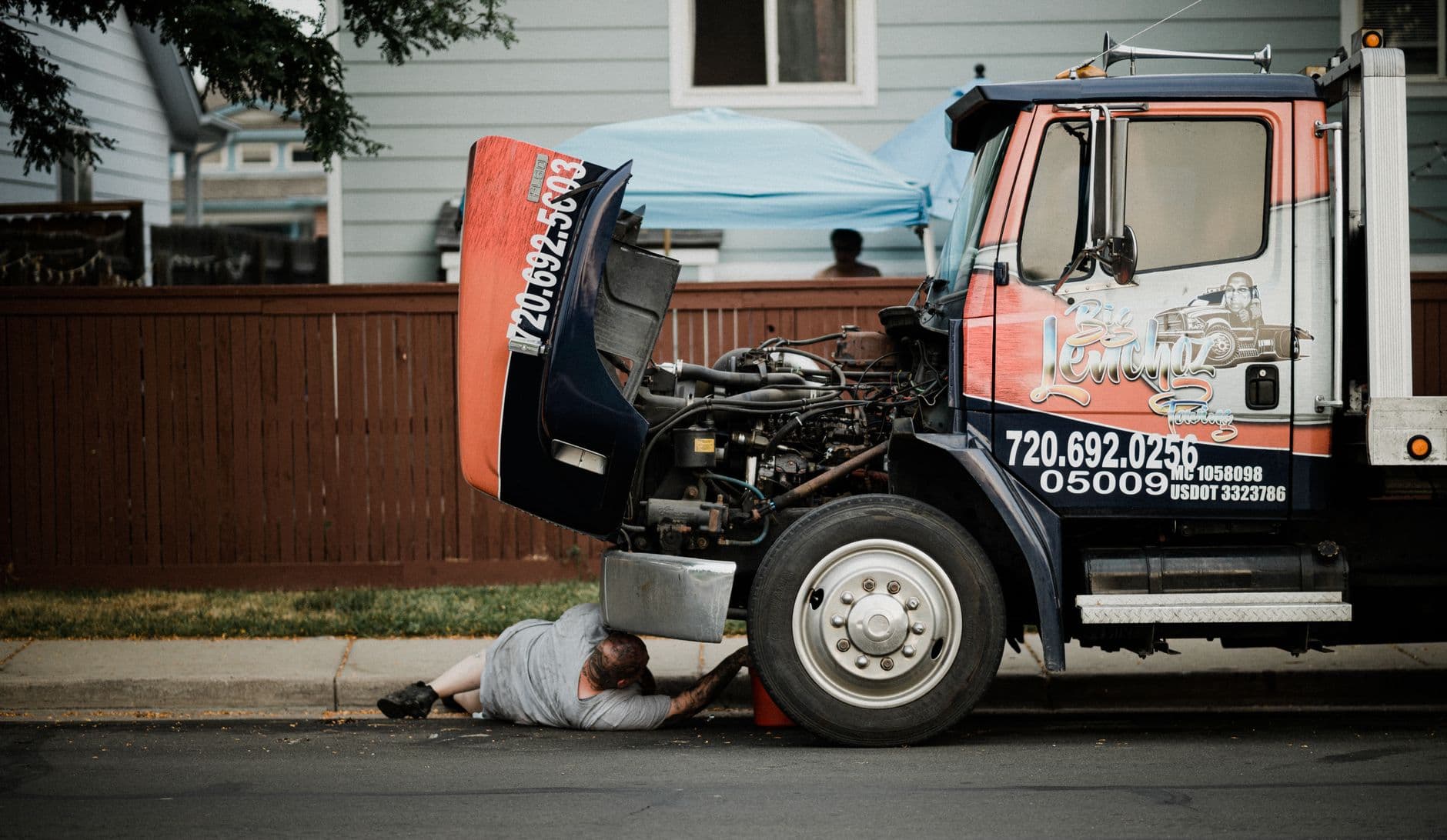
Photo by Andrew LaBonne on Pexels
Why spring hanger and shackle wear matters
Leaf spring hangers and shackles do a simple job, but they take a steady beating on highway runs, jobsite roads, and rough turnouts. When the hanger, shackle, or bushings start to wear, the axle does not sit and move the way it should. That can show up as clunks, side-to-side movement, odd tire wear, or a truck that no longer sits level.
For fleet operators in the Kamloops area and across BC, this is one of those problems that can look minor at first and grow with mileage. A worn bushing can let metal parts move in ways they were not meant to. A shifted component can affect handling and load stability. Even if the truck still drives, it is worth paying attention early and planning service before the damage spreads.
If the unit is already in for truck and trailer service, asking for a close look at the suspension hardware can save time later.
Signs to watch during a walkaround
Some of the most useful clues are easy to spot if you know what to look for:
- Rust trails around hanger bolts or shackle points
- Cracked, missing, or squeezed-out rubber bushings
- A hanger or bracket that looks shifted or not sitting square
- Fresh shiny wear marks where parts have been rubbing
- Clunks when pulling away, braking, or crossing uneven ground
- One side of the truck sitting lower than the other
- Uneven tire wear that does not match the rest of the axle set
Drivers often notice the noise first, but the truck’s stance can tell its own story. If the ride height changes or the axle looks out of position, that is worth documenting with photos before the unit comes in. Those details help the shop decide whether the issue is localized or part of a bigger suspension problem.
What fleets should document before repair planning
Good notes make suspension diagnosis easier. Write down when the noise happens, whether it changes under load, and whether it shows up only on rough roads or all the time. If possible, note which axle, which side, and whether the problem started after a pothole strike, a curb hit, or a hard worksite run.
Photos help too. Wide shots show stance and ride height. Close-ups show cracked rubber, rust trails, or loose hardware. If a driver says the truck has started leaning or wandering, that is useful information, not just a complaint.
This is also a good time to check related wear points. If one bushing has gone bad, nearby parts may need a look as well. A suspension issue that is left alone can turn into alignment trouble, accelerated tire wear, and a more expensive repair bill.
Repair timing and service planning
Not every worn hanger or shackle needs an emergency stop, but none of them should be ignored. If the wear is minor and the truck is still operating normally, it may be a good candidate for planned service during a scheduled downtime window. If there is visible movement, broken hardware, or a unit sitting noticeably out of line, get it assessed sooner.
Munden’s team works on commercial truck and trailer suspension issues as part of day-to-day repair and inspection work in Kamloops. If you are trying to sort out whether a complaint belongs with suspension, tires, or something else, start with a clear description and a few photos. That makes the inspection more productive and helps the shop focus on the right parts.
For fleets balancing multiple units, early identification matters. A small suspension repair is easier to plan than a roadside surprise, especially when the truck still has work to do.
Build the check into your regular routine
Spring hanger and shackle wear is easiest to manage when it is part of a normal inspection habit. Add it to your driver walkaround, your maintenance notes, and your post-service review. If a truck starts making new noises or sitting differently, do not wait for the next breakdown to ask questions.
A steady inspection routine, backed by practical shop support and the right parts, is usually the best way to keep a suspension issue from becoming a bigger one.
Need More Information?
Contact our team to learn more about our equipment and services.