
Trailer Floor Damage That Starts Small but Grows Fast
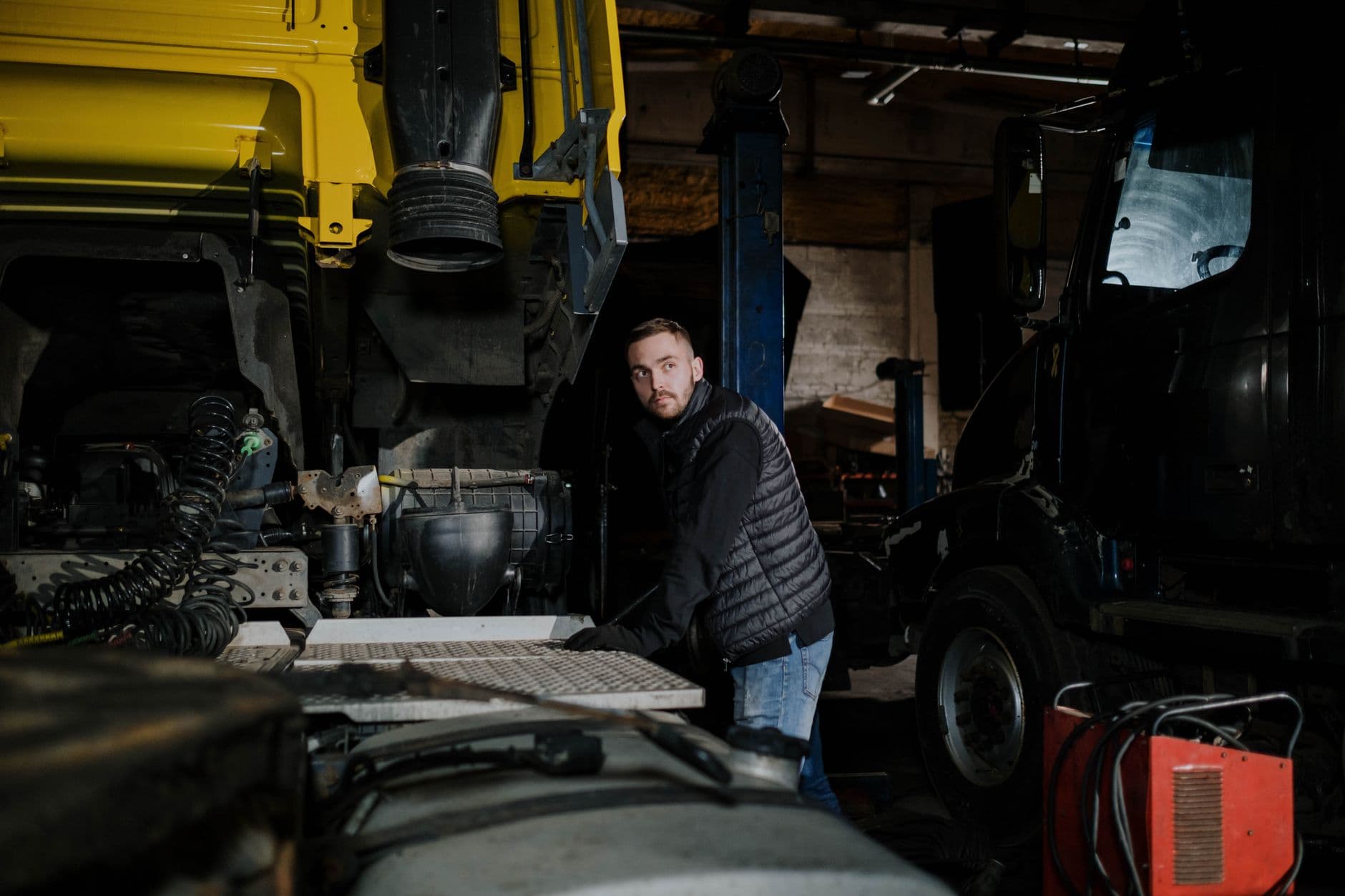
Photo by cottonbro studio on Pexels
Why trailer floor problems are easy to miss
Trailer floors and decking often fail in stages. A driver may first notice a soft spot, a squeak, a fastener working loose, or a section that feels different under load. By the time the damage is obvious from the outside, moisture may already have worked into the material and spread the problem farther than one bad board or panel.
In Kamloops and across the BC Interior, trailers see vibration, temperature swings, rough roads, and loading cycles that can stress the floor long before a major failure shows up. That is why small changes in how a trailer feels underfoot deserve attention, especially when the unit is carrying heavy freight or working regularly on uneven ground.
What to look for during a quick walkaround
A useful walkaround does not need to be complicated. Drivers and fleet leads can usually spot early trouble by checking for:
- soft or spongy areas when walking the deck
- loose, missing, or damaged fasteners
- cracked boards, split decking, or lifting edges
- staining, swelling, or dark areas that suggest moisture intrusion
- damage near loading zones, forklift paths, and edges
- repeated scuffing or impact marks in the same spot
If the trailer has been overloaded, dragged over rough surfaces, or hit by equipment during loading, that history matters too. Photos help. A few clear pictures can make it easier for the shop to understand whether the issue looks local or whether the repair should include a wider section of flooring or structure.
Moisture and loading damage are the real problem
Floor damage is not always just a surface issue. Moisture can get in through cracks, gaps, or worn seal areas and weaken the material around the original defect. Heavy point loading can also crush decking or loosen the hardware that holds it in place. Once that happens, the damaged area may flex more, which creates even more wear.
For fleets, the practical question is not just, “Can this trailer still roll?” It is, “How fast is this issue growing, and what else might be affected?” A small repair now may be easier to plan than waiting for a larger section to fail when the trailer is needed most.
If you are sorting out repairs, the service department can help assess the damage and plan the next step based on what is actually on the unit. If you need replacement hardware, boards, or related components, the parts department can help source what fits the trailer build.
When to pull the trailer out of service and plan repairs
Some floor issues can wait for a scheduled shop visit. Others should be taken more seriously right away. A trailer should be parked and evaluated sooner if the floor feels unstable, if fasteners are failing in clusters, if moisture damage is spreading, or if loading has started to affect nearby structure.
That is especially important when the unit is headed for a CVIP inspection or regular fleet review. BC Commercial Vehicle Safety and Enforcement materials remind operators to keep commercial vehicles in safe operating condition, and trailer flooring that affects load security or safe use should not be put off until it becomes a roadside problem.
Planning the repair before it becomes downtime
Good repair planning starts with a clear description: where the soft spot is, how large it feels, what kind of loading the trailer carries, and whether the damage is getting worse. Add photos and note any recent impacts, washdowns, or weather exposure. That gives technicians a better starting point and helps decide whether the fix is a local repair, partial rebuild, or broader inspection of the surrounding structure.
For Western Canada fleets, the goal is simple: catch the floor damage while it is still manageable. That keeps trailers in service longer and reduces the chance of a small defect turning into an avoidable delay on the next load.
Need More Information?
Contact our team to learn more about our equipment and services.