
Trailer Lighting and Wiring Faults That Cause Avoidable Downtime
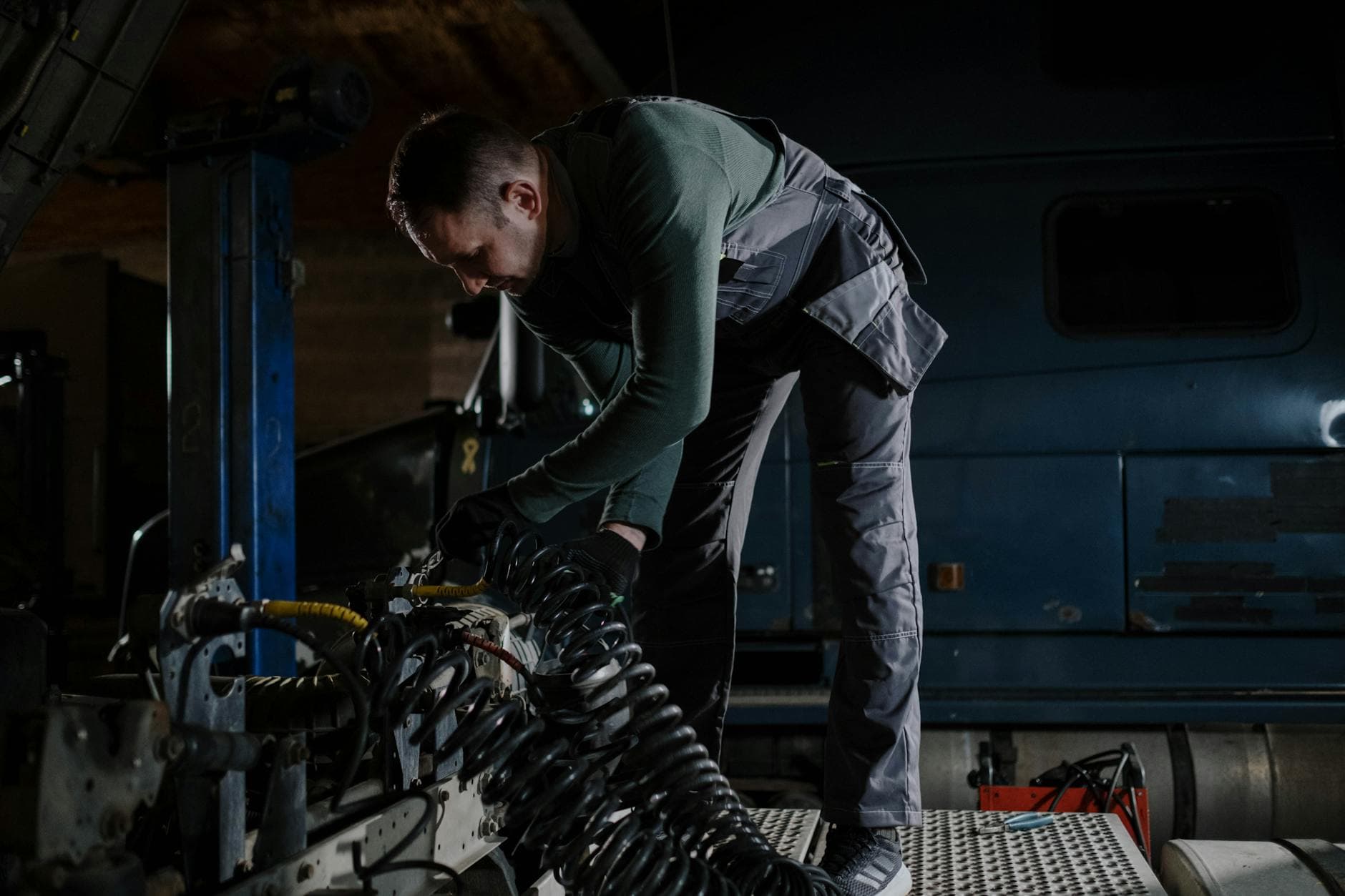
Photo by cottonbro studio on Pexels
Why trailer electrical problems deserve attention early
Trailer lighting issues are one of those problems that can start small and still cost a fleet a full day of avoidable downtime. A marker light that flickers, a turn signal that only works after a bump, or a tail lamp that quits in wet weather often points to a deeper issue in the wiring, connectors, grounds, or lamp housing.
For operators running in and out of Kamloops, the problem is often vibration, moisture, road salt, gravel, and repeated coupling and uncoupling. That mix is hard on trailer electrical systems. On forestry units and other working trailers, it can be even tougher because wiring sees more dust, mud, washdown, and movement.
The key is not to wait until the lights go fully dark. Intermittent faults usually get worse, and once wiring insulation, terminals, or connectors start failing, the repair can grow from a quick fix into a larger diagnostic job.
Common warning signs to look for
A good inspection starts with the obvious and works inward. If you see any of the signs below, it is worth taking the trailer out of service until the cause is known:
- Lights that dim, flicker, or work only on certain bumps
- One side of the trailer acting up while the other side is normal
- Corrosion inside plugs, sockets, or junction boxes
- Green or white buildup on terminals and connectors
- Chafed wires where the harness rubs on the frame or suspension
- Loose grounds or damaged grounding points
- Repeated bulb failures in the same location
- Melted lenses, heat damage, or signs of moisture inside housings
A lot of these faults start at the connection points. Dirty or loose plugs can cause heat, arcing, and voltage drop. Once that happens, a replacement bulb alone will not solve the problem.
If you are checking units for inspection readiness, lighting faults should be treated as more than an inconvenience. They can affect visibility, compliance, and how confidently a driver can operate in traffic, yard conditions, or low-light work.
What usually causes the trouble
Trailer lighting circuits do not usually fail for one dramatic reason. More often, the issue builds over time.
Here are the usual suspects:
- Connectors: Repeated plugging and unplugging wears pins and sockets. Dirt and moisture speed up corrosion.
- Grounds: A weak or dirty ground can create strange symptoms, like several lights acting up at once.
- Vibration: Loose harness clips, broken ties, and poor routing let wires rub until the insulation fails.
- Water intrusion: Cracked lenses, damaged seals, and open junction boxes let moisture reach terminals.
- Repair shortcuts: Twisted wires, temporary splices, or mismatched parts often fail again under load.
On units that see a lot of rough-road use, it is worth looking closely at the whole harness path, not just the lamp that stopped working. Sometimes the visible problem is only the symptom.
If a fault keeps coming back, that is usually a sign the harness needs proper diagnosis rather than another quick bulb swap. Our service department handles trailer electrical issues, diagnostics, and repair planning for working trucks and trailers.
When to stop running the trailer and get help
Some lighting problems are minor enough to catch in the yard. Others are a real safety issue and should not be ignored.
Stop using the trailer and arrange service when:
- More than one required light is out
- Wiring is hot, melted, or visibly damaged
- A short is blowing fuses or triggering repeated failures
- The issue changes when the trailer flexes, turns, or hits bumps
- Moisture or corrosion is spreading inside connectors or junction boxes
- The driver cannot confirm safe operation with a quick check
If the problem shows up on the road, mobile diagnosis may be the right first step depending on the situation. In other cases, the trailer may need to come into the shop for deeper electrical testing, rewiring, or fabrication work.
For fleet managers, it helps to keep a simple record: which light failed, when it failed, whether it was intermittent, and whether the fault was on the tractor or trailer side. That information can save time when the unit gets to the bay or when you call for mobile service.
A practical maintenance habit that saves time later
The best trailer electrical maintenance is straightforward: inspect it before it becomes a roadside complaint. That means checking connectors for corrosion, confirming grounds are tight, watching for harness rub points, and replacing damaged parts before they spread the problem.
For fleets, contractors, and owner-operators around Kamloops, that kind of steady attention helps reduce unplanned downtime and keeps trailers easier to present for a CVIP inspection. It also keeps drivers from chasing intermittent faults in bad weather or after dark.
If your trailer lights are acting up, it is usually smarter to trace the cause now than to keep replacing the symptom. A careful repair today often prevents a bigger one next week.
Need More Information?
Contact our team to learn more about our equipment and services.