
Truck and Trailer Corrosion Spots That Deserve Attention Before They Spread
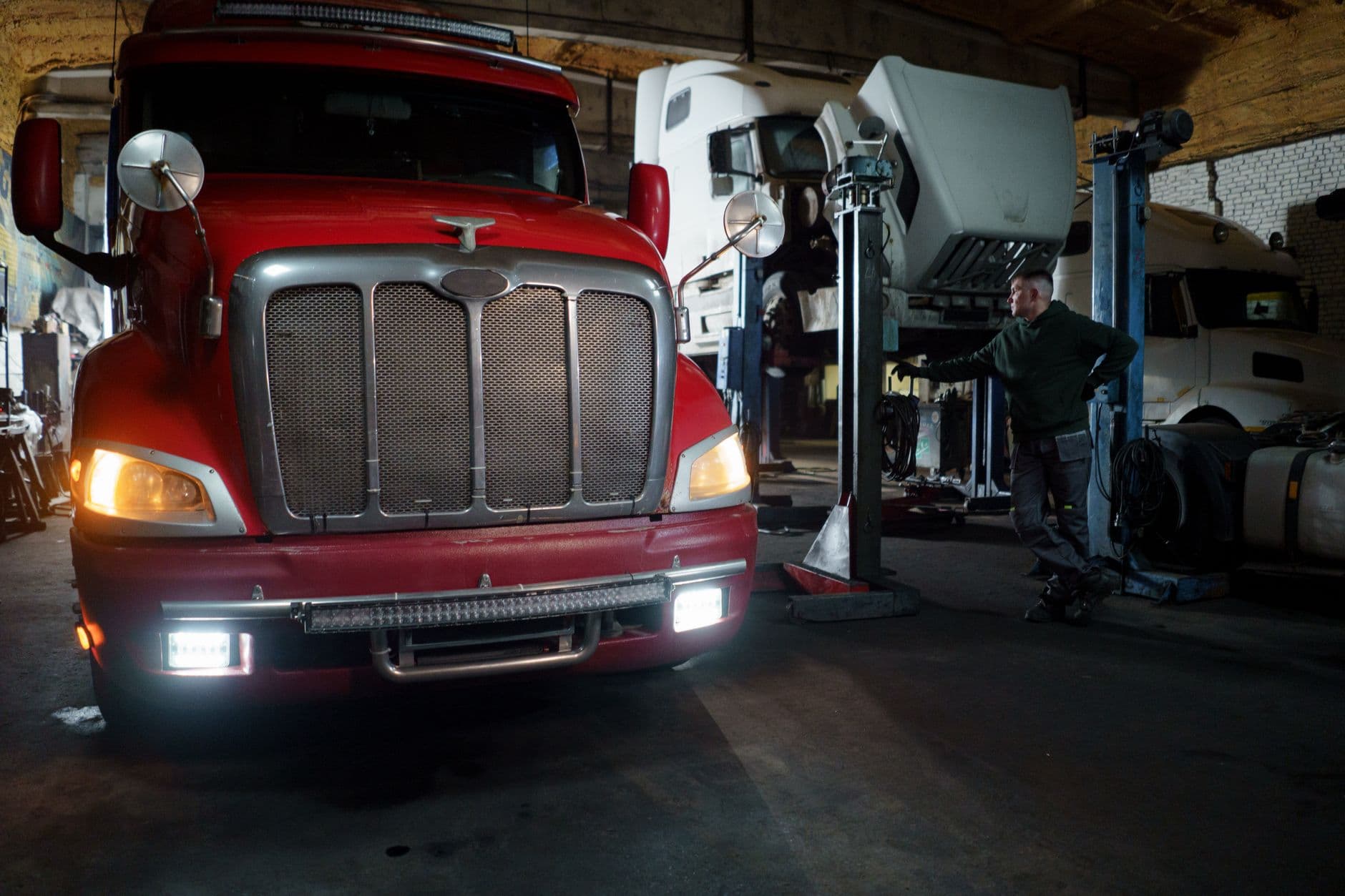
Photo by cottonbro studio on Pexels
Where corrosion usually starts
Corrosion on trucks and trailers often begins in places that stay damp, collect grit, or take repeated vibration. The first spots worth watching are mounting points, seam edges, wiring supports, and brackets around air tanks, steps, and frame attachments. On a working unit, those areas can trap moisture long after the rest of the vehicle looks dry.
A quick walkaround after road spray, gravel work, or a wet shift can catch early changes. Look for bubbling paint, scaly rust, soft flakes, or fasteners that no longer sit cleanly against the metal. On trailers, check crossmembers, door hardware, underside seams, and any area where cargo drip or wash water tends to sit.
What makes a small rust spot turn into a bigger repair
Rust becomes more serious when it reaches structural steel, mounting tabs, or components that carry load or secure other systems. A small crack near a bracket or an air tank support can let water and dirt in faster. Once that happens, the surrounding metal can weaken faster than expected.
Wiring supports are worth special attention because corrosion there can lead to loose harnesses, chafing, and electrical trouble. Air tank brackets, mudflap hardware, steps, and battery box mounts also deserve a close look. If a bracket is bent, loose, or heavily scaled, the problem may be more than surface corrosion.
If the rust is near a safety-related attachment point, it is smart to document it early and get a repair opinion before the issue spreads. For shop scheduling, photos help. Wide shots show location; closeups show the extent of the damage. If you need to organize the work, the service department can help assess whether the area needs cleanup, fabrication, or replacement parts.
What to clean and photograph before booking service
You do not need a full teardown to give a shop useful information. Start with a safe wash or wipe-down so the corrosion can be seen clearly. Then take notes on where it is located and whether the area changes after rain, washing, or rough roads.
Useful details to record include:
- exact location on the truck or trailer
- whether the rust is surface-level or flaking
- any loose hardware, cracked paint, or missing fasteners
- leaks, stains, or standing moisture nearby
- any wiring, hose, or air line damage in the same area
Those notes can help a technician decide whether the repair is straightforward or whether the metal needs closer inspection. If a part is already out of shape, a photo before removal can save time when matching brackets or planning fabrication.
Why early repair planning saves downtime
Corrosion rarely stays in one place. It spreads along seams, under coatings, and around holes where fasteners pass through metal. The earlier a fleet deals with it, the more likely the repair can be limited to one area instead of a larger section of frame, body, or mounting structure.
That matters for fleet uptime. A small patch, bracket replacement, or weld repair is usually easier to plan than a failure that shows up during a busy dispatch week. For trucks that work the Interior, haul through winter road residue, or spend time on rough job sites, regular corrosion checks are part of practical commercial truck maintenance BC.
If your unit also needs parts, brackets, or related hardware, the parts department can help source what the repair calls for before the truck comes apart.
A simple rule for fleet owners and operators
If rust is only cosmetic, keep watching it. If it is near a mounting point, seam, wiring support, or air tank bracket, treat it as a repair candidate and document it right away. That one habit can help keep a small spot from becoming a longer, more expensive stop in the shop.
For Kamloops truck repair and Kamloops trailer repair planning, a clear photo set and a few driver notes usually go a long way toward a faster first look.
Need More Information?
Contact our team to learn more about our equipment and services.