
How to Plan Welding and Fabrication Repairs Before Small Damage Becomes a Bigger Job
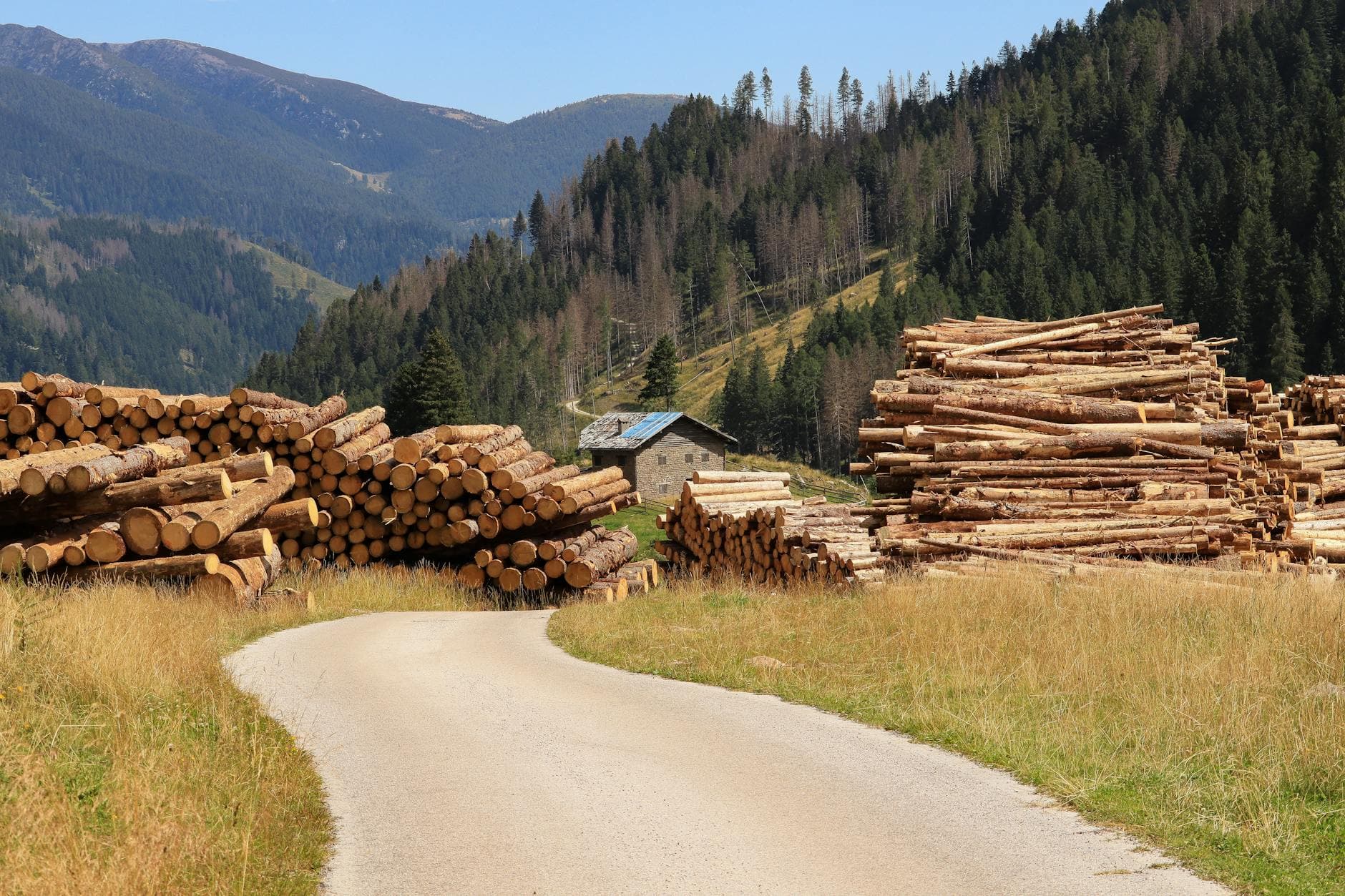
Photo by MAURO FOSSATI on Pexels
Why small cracks and bent brackets deserve attention early
Welding and fabrication repairs usually start with something ordinary: a crack near a mount, a bent bracket after a rough road, a loose step, a broken mud flap hanger, or a stress point that keeps opening back up. On trucks, trailers, and forestry equipment, those little signs can spread quickly once vibration, load, and road shock keep working on them.
For fleet owners and operators in the Kamloops area, the practical question is not just “Can it still run?” It is “How long before this becomes a roadside issue, a repeated failure, or a safety concern?” A small weld repair or fabricated reinforcement is often much easier to plan than an unplanned breakdown.
If you are already seeing repeated damage in the same spot, that is usually a sign the underlying issue needs a closer look, not just a quick patch.
Common places damage shows up on working equipment
The exact failure point depends on the unit, but some patterns come up again and again in commercial truck repair and trailer repair work:
- cracked crossmembers and frame-area brackets
- broken or bent steps, handholds, and access points
- damaged spring hangers, hangers for accessories, or support brackets
- worn landing gear mounts and landing gear-related hardware
- cracked tool box mounts, mud flap brackets, and light supports
- stressed attachments on equipment used on rough roads or job sites
- repair points around hydraulic components, guards, and protective panels
In forestry work, rough terrain and repeated twisting can put extra stress on mounts and fabricated parts. On highway units, vibration and load shifts can do the same over time. In either case, a visual inspection should look beyond the obvious break and ask what caused it.
That is where a shop visit at the right time matters. A technician can inspect the damage, look for related wear, and decide whether the repair needs a straightforward weld, a reinforcement plate, a new bracket, or a more complete fabrication solution. You can learn more about that kind of support through the service department.
What to tell the shop before the repair starts
Good repair planning saves time in the bay and helps avoid a repeat visit. Before bringing in a truck, trailer, or piece of equipment, gather a few basics:
- where the crack, bend, or break is located
- when it first showed up and whether it is getting worse
- whether the issue changes with load, road roughness, or speed
- any recent curb strikes, yard impacts, overload concerns, or rough-site damage
- photos if the unit is still on the road
- whether nearby components are also loose, rusted, or worn
That information helps the shop decide if the unit should be repaired as-is, parked, or brought in by mobile service first. In some cases, a field visit can help confirm whether the concern is safe to drive or whether the equipment should be moved differently. For units that are stuck between the yard and the highway, mobile truck service can be a practical first step.
It also helps to think ahead about parts. Some fabrication work needs steel, fasteners, bushings, lights, hardware, or replacement components before the job can start. Checking in with the parts department early can reduce delays if the repair turns into more than a simple weld.
Safety, inspection timing, and when not to wait
Not every crack means a truck should stop immediately, but some signs should move the repair up the list:
- a crack that is growing or has fresh rust at the edges
- a mount that has shifted out of position
- repeated breakage in the same area
- loose hardware that keeps backing off
- visible deformation after an impact
- damage near steering, suspension, landing gear, or other load-bearing areas
BC CVSE guidance and commercial vehicle inspection practices put a strong focus on whether equipment remains safe and roadworthy. A repair that looks minor in the yard may matter more once the vehicle is loaded, rolling, and under vibration. That is especially true for long-haul trucks, trailers, and forestry units working across Western Canada.
The safest habit is simple: do not guess at structural damage. Get it inspected, document what you see, and plan the repair before the problem turns into downtime, secondary damage, or a failed inspection. For fleet managers, that approach supports more predictable commercial truck maintenance in BC and fewer surprises on busy days.
A practical repair habit for fleets and contractors
The best welding and fabrication work usually starts with a clear problem and a realistic plan. Watch for repeated cracks, bent hardware, and loose mounts. Take photos, note the load and road conditions, and line up the right shop support before the damage spreads.
For Kamloops truck repair, Kamloops trailer repair, and forestry equipment Western Canada operators depend on, that kind of steady maintenance habit can make a real difference in uptime.
If you are sorting out a structural concern, a worn bracket, or a repair that may need more than a quick patch, start with the service department and work from there.
Need More Information?
Contact our team to learn more about our equipment and services.