
Welding and Fabrication Repairs That Deserve a Plan, Not a Patch
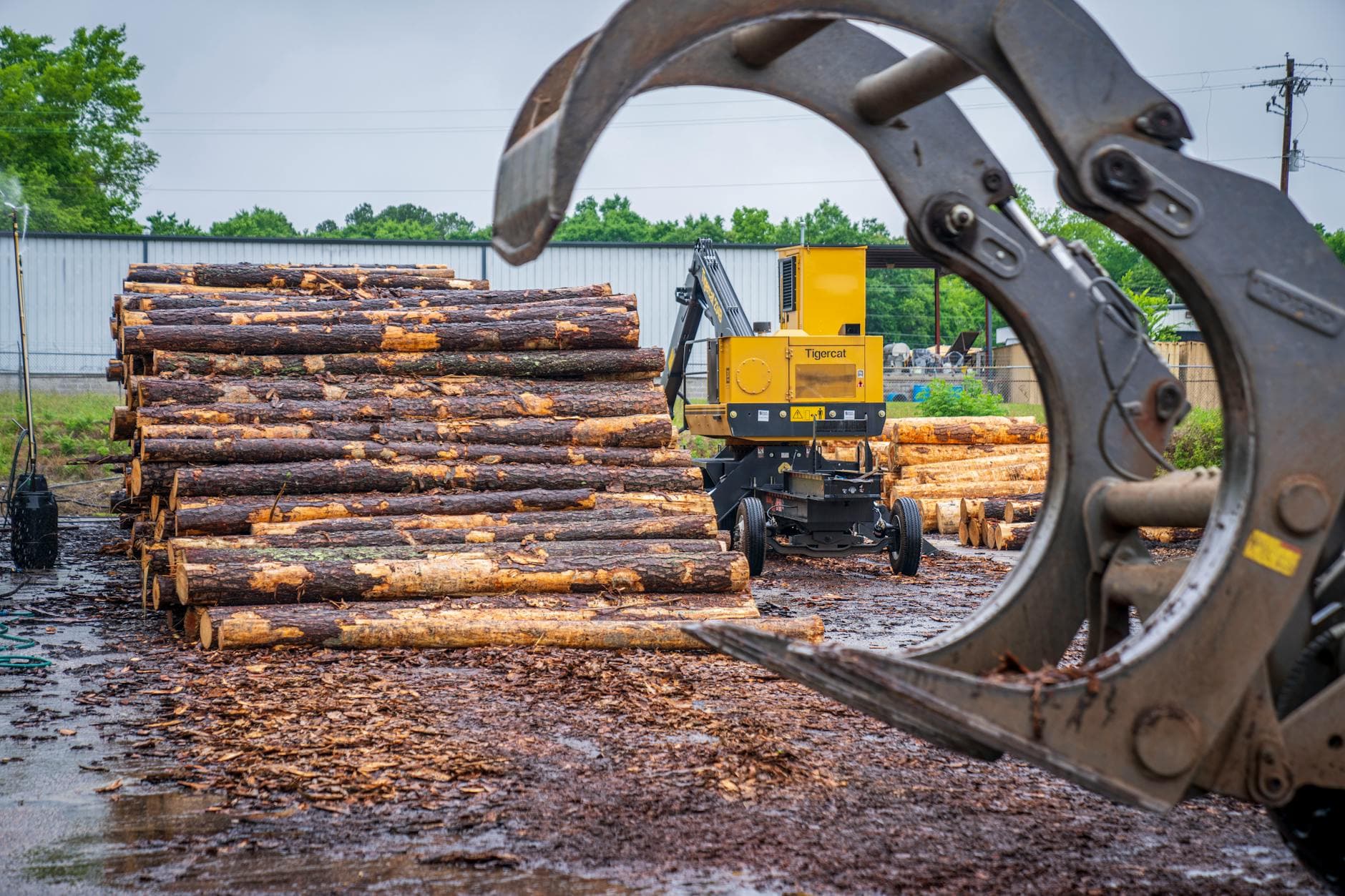
Photo by Mark Stebnicki on Pexels
Why fabrication work matters before a small defect spreads
A lot of truck, trailer, and equipment downtime starts with something ordinary: a cracked bracket, a bent step, a loose mount, or a weld that has started to separate. Those issues can look minor at first, especially when the unit is still moving and the problem has not reached a critical point. But vibration, load cycles, rough roads, and repeated stress do their work quickly in commercial service.
For fleet owners and operators, the practical question is not just “Can this be welded?” It is “Will a weld solve the problem, or is the part failing because something else is out of alignment, overloaded, or flexing too much?” That is where a good repair plan matters.
In Kamloops and across the BC Interior, trucks and trailers see long distances, mixed road conditions, steep grades, and work that puts real stress on frames, mounts, toolboxes, guards, and service bodies. In forestry and equipment work, the forces can be even harsher. A patch that gets the unit back out the door may not be the right long-term answer if the root cause is still there.
Common signs a repair needs a closer look
Some fabrication jobs are straightforward. Others deserve a full inspection before any torch or welder comes out. Watch for:
- Cracks returning near the same spot after a previous repair
- Rust or fatigue around welds, hangers, steps, or brackets
- Bent mounts, shifted hardware, or parts that no longer sit square
- Repeated loosening of bolts around a stressed area
- Broken guards, fenders, supports, or tool mounts
- Uneven wear that suggests twist, flex, or misalignment
If a unit is scheduled for a service department inspection, this is a good time to point out anything that looks suspicious, even if it seems minor. A crack near a high-stress point can tell a mechanic or fabricator a lot about what is happening elsewhere on the truck or trailer.
For forestry gear, that same logic applies to mounts, access points, brackets, and wear areas that take constant vibration. Equipment in the bush often runs hard enough that a tiny separation today can become a shutdown tomorrow.
How to plan the repair so it lasts longer
A durable fabrication repair usually starts with the right diagnosis. Before anything is welded, the shop should look at:
- What caused the failure in the first place
- Whether the surrounding metal is still sound
- Whether the part is safe to repair or should be replaced
- Whether nearby components also need adjustment
- Whether the repair needs reinforcement, not just a bead over the crack
That is especially important on trailers and commercial trucks, where a cosmetic repair is not enough if the load path is still compromised. The same thinking applies to custom work, equipment mounts, and service body repairs. If the structure around the repair is thin, bent, or badly corroded, welding over the damage may only buy a little time.
When the truck is not safe or practical to drive in, mobile service can help with triage and assessment before the unit is moved. That can save time by confirming whether the job needs roadside stabilization, towing, or a proper shop repair.
What to tell the shop before fabrication starts
The more complete the information, the better the repair plan. Before you bring a unit in, have these details ready:
- Photos of the damaged area from a few angles
- The make, model, and unit number
- A rough idea of when the problem started
- Whether the part is structural, cosmetic, or safety-related
- Any recent impacts, overloads, or unusual vibration
- Notes about whether the crack, bend, or break is getting worse
If the repair involves a truck or trailer part that may also need replacement, the parts department can help identify the correct hardware, brackets, or related components before the job begins. That matters when a repair depends on matching dimensions, thickness, or attachment points.
For fleets working across Western Canada, a practical repair process helps reduce repeat visits. It also gives maintenance staff a better record of what failed, how it was repaired, and what should be watched during the next inspection cycle.
Keeping repairs tied to safety and uptime
Fabrication work is part of commercial vehicle maintenance, not an afterthought. On trucks, trailers, and forestry equipment, the goal is to keep the machine safe, serviceable, and ready for work without creating a new weak point somewhere else.
If you are already planning a CVIP or annual service window, it makes sense to raise any weld or bracket concerns at the same time so they can be reviewed together. A repair plan that combines inspection, parts availability, and fabrication time often reduces unnecessary downtime.
For Kamloops operators, contractors, and fleet managers, the best approach is simple: do not wait for a small crack to become a broken mount or a roadside failure. Bring it in early, ask what caused it, and let the repair match the job the equipment actually does.
Need More Information?
Contact our team to learn more about our equipment and services.