
When a Roadside Issue Belongs to Mobile Service and When It Belongs in the Shop
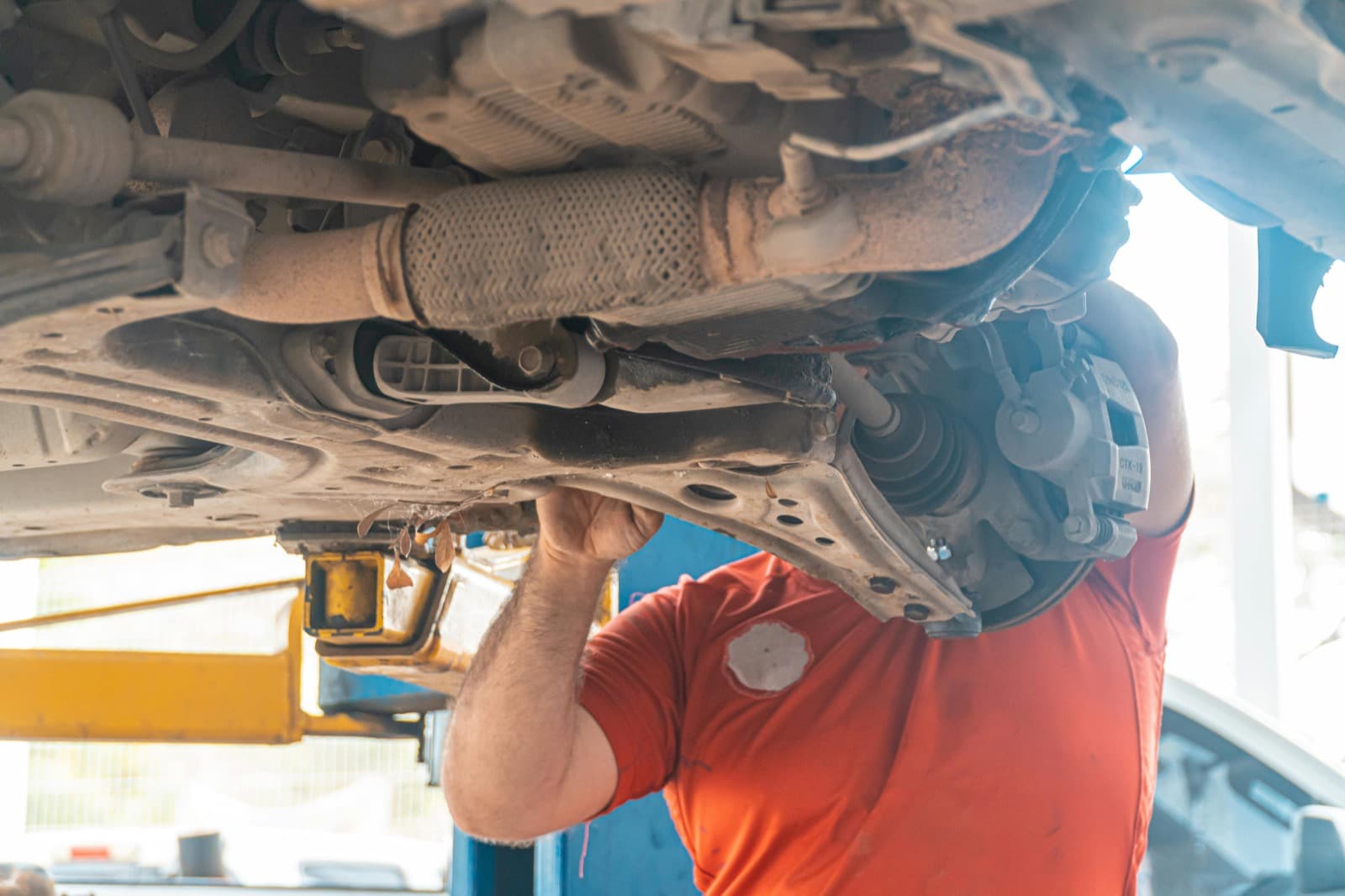
Photo by Lumiere Studio MX on Pexels
A roadside problem is not always a roadside fix
When a truck or trailer breaks down away from the yard, the first question is usually simple: can it be handled with mobile service, or does it need to come into the shop? That call matters because it affects safety, downtime, towing costs, and how quickly the unit gets back to work.
In and around Kamloops, roadside calls often involve trucks hauling freight, trailers in transit, or forestry equipment moving between job sites. The best outcome usually comes from a quick but calm triage process. If the problem is something a technician can inspect, test, and repair safely on site, mobile service may be the right move. If the issue is structural, complex, or unsafe to work on where the unit stopped, the shop is usually the better place to finish the job.
Signs the problem may be suitable for mobile service
Some roadside issues are annoying but manageable. A mobile technician can often help when the truck or trailer still has stable, predictable conditions and the work can be done safely at the location.
Examples include:
- A dead battery or charging concern that needs testing and replacement
- Air line, fitting, or hose issues that can be isolated without major teardown
- Light or wiring faults that need diagnostic checks, connector cleaning, or repair
- Minor coolant, oil, or hydraulic seepage where the source is visible and access is safe
- Door, latch, mudflap, or bracket issues that do not require major fabrication
Even then, the problem has to be practical to handle on site. A technician still needs room to work, good visibility, stable ground, and a safe place to isolate the vehicle. If the unit is in traffic, on soft shoulders, or in a location with poor access, the repair may shift from “mobile” to “tow it in.”
If you are not sure, send the details to the dispatcher or service writer first. A few photos and a clear description can save a lot of back-and-forth. Our mobile service team can usually make a better recommendation when they know exactly what failed and where the unit is sitting.
Signs the shop is the better call
Some breakdowns should not be treated like quick roadside fixes. If the repair needs heavier equipment, precision measuring, deeper disassembly, or a controlled work area, the shop is usually the safer choice.
Bring the unit in when you are dealing with:
- Severe fluid loss or contamination
- Brake, steering, or suspension concerns that affect control
- Cracked frames, bent components, or damaged mounting points
- Hydraulic failures that need hose replacement plus deeper system inspection
- Repeated electrical faults that suggest a larger wiring issue
- Anything that makes the vehicle unsafe to move, even at low speed
This is especially important for commercial trucks and trailers that have to meet inspection expectations and operate reliably in the Interior and across Western Canada. BC’s commercial vehicle safety resources are a good reminder that roadside convenience should never override safe operation.
A shop setting gives technicians better access to hoists, diagnostic tools, welding and fabrication equipment, and parts support. That is where harder jobs are often finished properly. If the issue is beyond a quick field repair, the service department can help with diagnosis, repair planning, and the next steps.
What to tell service before anyone rolls
The more useful information you share, the faster the repair decision usually happens. Whether you are calling for mobile truck service in Kamloops or arranging a shop visit, have these basics ready:
- Unit number
- VIN or trailer serial number
- Exact location
- What the driver noticed first
- Any warning lights, smells, noises, smoke, or leaks
- Photos of the failed area, if it is safe to take them
- Whether the truck, trailer, or equipment can be moved safely
For fleet managers and owner-operators, this is also where good maintenance habits pay off. Repeated faults, old notes, and past repairs help technicians decide whether the current issue is isolated or part of a larger pattern. In forestry work especially, downtime decisions are rarely about one symptom alone; they are about whether the machine can finish the day without turning a small problem into a bigger one.
A practical rule for deciding roadside vs. shop
A useful rule of thumb is this: if the repair is simple, visible, and safe to perform where the unit stopped, mobile service may fit. If the issue affects safety, needs deeper diagnosis, or needs controlled shop tools to fix properly, plan on towing or moving the unit into the shop.
That approach helps with commercial truck maintenance in BC because it keeps the focus on three things that matter on every job: safety, time, and getting the repair done right the first time. When the call comes in, a clear triage conversation can save a long delay later.
If you are weighing the next step for a truck, trailer, or piece of equipment in the Kamloops area, start with the facts, not the guesswork. That is usually the fastest route back to work.
Need More Information?
Contact our team to learn more about our equipment and services.