
Why Forestry Equipment Serial Numbers Save Time When You Need Parts Fast
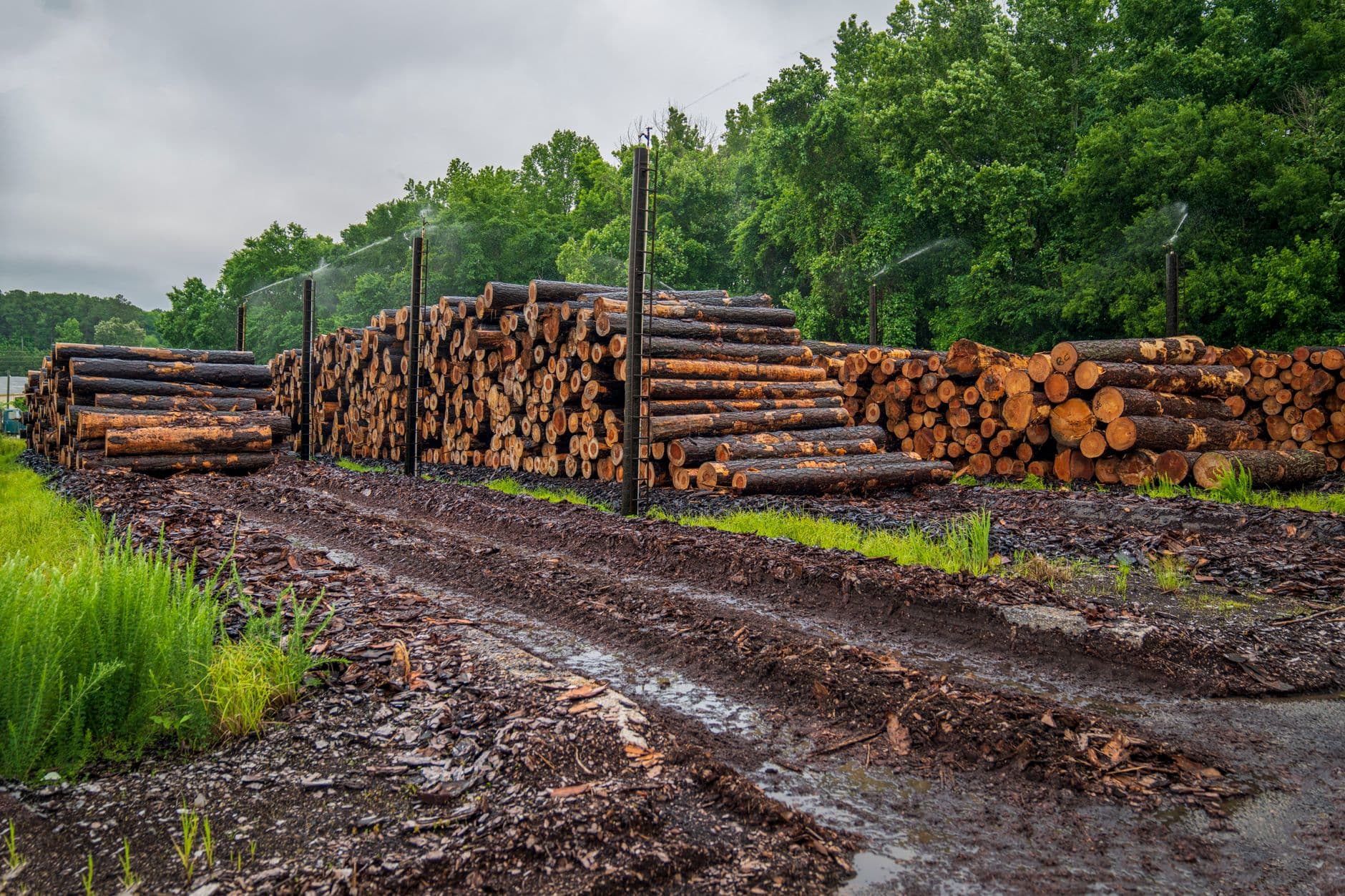
Photo by Mark Stebnicki on Pexels
Why the serial number matters before the machine stops
In forestry work, parts planning usually gets harder the farther you are from town. A machine can be running fine in the morning and still need support before the shift is over. When that happens, the serial number is one of the quickest ways to narrow the right parts and avoid wasting time on guesswork.
A model name helps, but it rarely tells the whole story. Machines may share a badge while carrying different engines, hydraulic setups, cab options, guards, attachments, or production updates. That is why serial number details matter for forestry equipment support in Western Canada. They help the parts team work from the exact unit, not a close guess.
If you are planning ahead for a service window, the same idea applies. A little machine identity up front can help the shop and parts counter line up the work before the truck or trailer ever rolls in. If your team is already organizing repairs, the service department can use better unit details to help shorten the back-and-forth.
What to record besides the serial number
The serial number is the anchor point, but it works best with a few other details:
- Model name and year, if known
- Attachment or head type
- Engine, pump, or undercarriage information
- Any aftermarket changes or added guards
- Photos of the machine from both sides
- Photos of the ID plate and stamped numbers
- Operator notes about the fault, noise, leak, or warning light
Those notes matter because the same part can fit one version and miss another by a small but costly margin. A fitting that is close enough on paper may not be close enough once it gets to a remote jobsite. That is where wrong-fit prevention saves time, freight, and repeated downtime.
Clear photos help too. A wide shot shows the machine family. A close-up of the ID plate confirms the exact unit. A photo of the damaged hose, bracket, or sensor area gives the parts team something to work from when the machine is not sitting in the shop.
Remote work gets easier when the details are clear
Forestry crews often work with limited cell service, long distances, and tight production windows. That makes parts planning more than a counter transaction. It becomes part of the maintenance strategy.
Serial number records are especially useful when:
- A machine is heading to a remote block
- You want to stock critical spares before a move
- A hose, filter, or wear item has a known replacement interval
- Multiple machines in the same fleet are similar but not identical
- An operator reports a fault that needs a fast first pass on parts selection
That is also why it helps to keep records in the office, on the machine file, and with the crew that actually runs the equipment. One missing detail can send everyone back to the yard or keep a machine waiting for the wrong component.
A simple habit that pays off at the parts counter
The easiest habit is to gather machine identity details before the part is urgent. Take a clear photo of the serial plate, save the model and attachment information, and keep operator notes with the unit file. If the machine moves between contracts or crews, update the record then, not after something breaks.
For forestry parts support, that kind of basic discipline usually beats a rushed phone call. It gives the parts team a cleaner starting point and helps the shop think through the next step with less delay. If you are ordering for an EcoLog unit or another forestry machine in the fleet, the EcoLog equipment page is a useful place to start when you need the right machine context before the order is placed.
Serial numbers do not fix a problem by themselves, but they often make the fix faster to find. In remote work, that is not a small detail.
Need More Information?
Contact our team to learn more about our equipment and services.