
Why Maintenance Records Make CVIP Inspections and Fleet Planning Easier
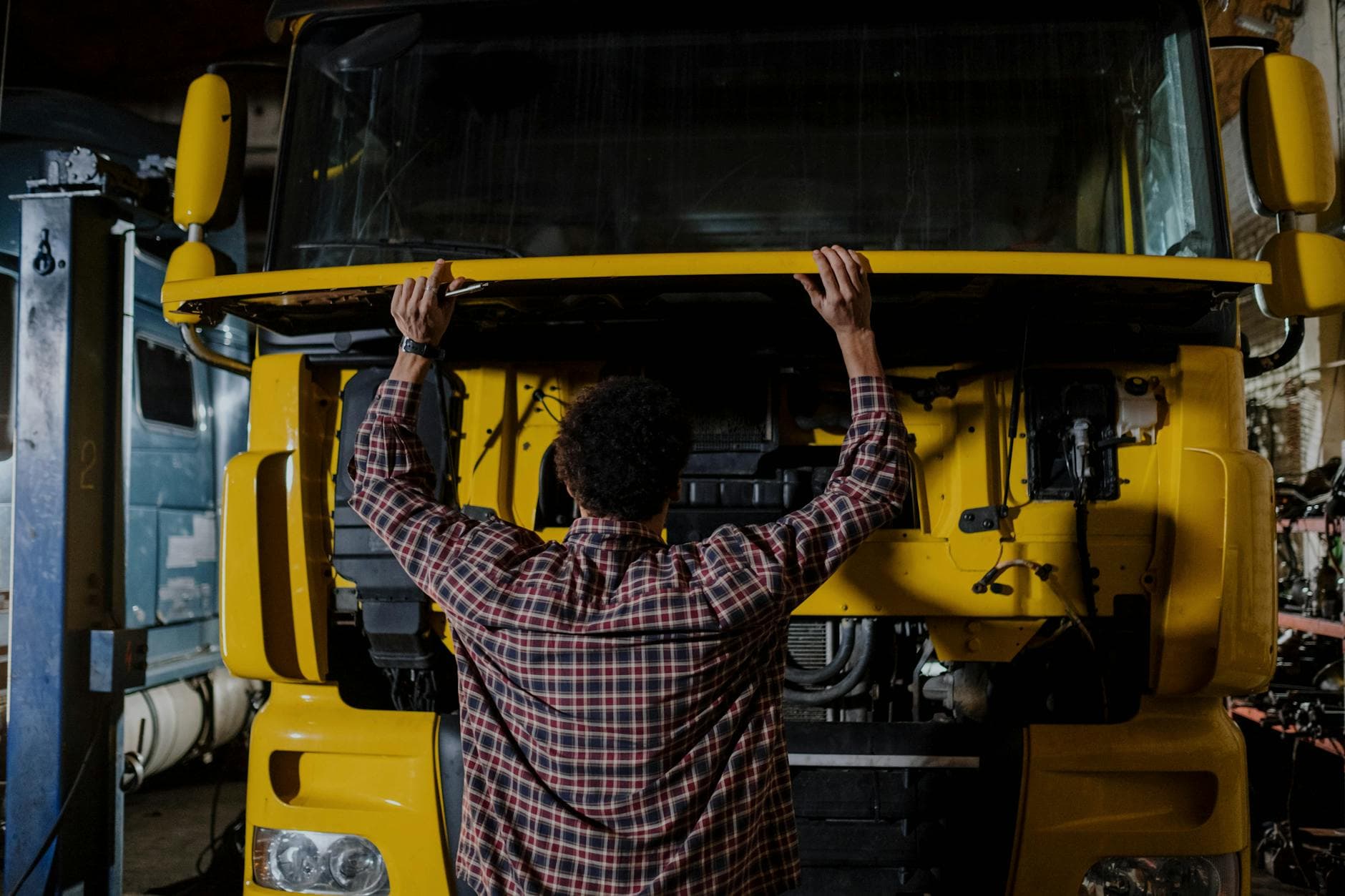
Photo by cottonbro studio on Pexels
Why records matter before a truck or trailer shows up for inspection
A CVIP inspection is easier to manage when you already know what the unit has been through. Service history does not replace the inspection itself, but it gives your shop and your maintenance team a clearer picture of where to look first. If a truck keeps coming back with the same brake issue, a repeated electrical fault, or a trailer that always needs the same light repaired, that pattern matters.
Good records also help reduce surprises. When the maintenance history is organized, it is easier to answer basic questions fast: What was repaired last time? Was the issue on the tractor or trailer? Has the same defect come back after road use, washout, or heavy haul work? Those details help fleet owners and operators make better decisions about scheduling and downtime.
For fleets in the Interior, that kind of organization can make the difference between a planned visit and a rushed one. If you are trying to coordinate service work around delivery deadlines, loading windows, or inspection dates, having the history ready saves time at the counter and in the bay.
What to keep in a usable maintenance file
A useful maintenance record does not need to be fancy. It just needs to be consistent. The goal is to make it easy for the next person to understand what happened, what was done, and what may still need attention.
Here are the basics worth keeping:
- Unit number, VIN, and trailer ID where applicable
- Dates of service and inspection
- Clear notes on symptoms, not just the repair performed
- Old part numbers and replaced components
- Photos of wear, damage, leaks, or electrical issues
- Measurements when they matter, such as brake wear or hose routing
- Repeat repairs or recurring faults
For fleets that run mixed equipment, this becomes even more important. A truck, pup, logging trailer, and piece of forestry equipment may all have different service patterns. Keeping records tied to the right unit helps your shop spot the difference between a one-time failure and a recurring problem that deserves a deeper look.
How records help with CVIP planning
CVIP timing is easier to manage when maintenance history is current. Instead of treating inspection day as a one-off event, good records let you work backward. If the unit has been flagging brake wear, lighting faults, leaking fittings, or steering play over the past few visits, those items can be addressed before they stack up.
That matters for two reasons. First, it can help reduce repeat downtime. Second, it gives you a better picture of what the truck or trailer may need in the next service interval. Even when a unit passes inspection, the history can show whether it is staying healthy or slowly heading toward bigger repairs.
This is also where detailed notes help with scheduling. If a defect was repaired recently and shows up again, your team can decide whether the unit needs further diagnosis instead of another short-term fix. That is especially useful for Kamloops truck repair and Kamloops trailer repair jobs where the same equipment has to keep earning.
Building a record system that works in the real world
The best record system is the one your team will actually use. That may be a fleet software platform, a spreadsheet, or a simple paper file kept in the cab office. The format matters less than the consistency.
A practical system usually includes:
- A standard checklist for drivers and mechanics
- A place to log defects as soon as they are noticed
- Photos of issues before repairs begin
- A way to link mobile repairs and shop repairs to the same unit record
- A summary of outstanding items before inspection time
If your fleet uses mobile support for roadside or yard calls, make sure those repairs are entered into the same history as shop work. That gives you a more complete picture of the unit’s condition and helps avoid duplicated effort later. If you want to know how that fits into day-to-day operations, our mobile service page explains the kinds of calls that can be handled away from the bay.
For fleets, contractors, and equipment buyers in Western Canada, strong maintenance records are not just paperwork. They are part of the job of keeping commercial trucks and trailers dependable, predictable, and easier to plan around.
A simple rule for the next service cycle
If a repair keeps coming back, write it down clearly enough that the next person can see the pattern. If a part was replaced, note what caused the failure, not just what was swapped out. And if an inspection is coming up, review the last few service entries before the unit rolls in.
That habit does not eliminate repairs, but it can make them more manageable. In a busy fleet, that is often the difference between chasing problems and staying ahead of them.
Need More Information?
Contact our team to learn more about our equipment and services.