
Why Shop Visit Photos Save Time on Truck and Trailer Repairs
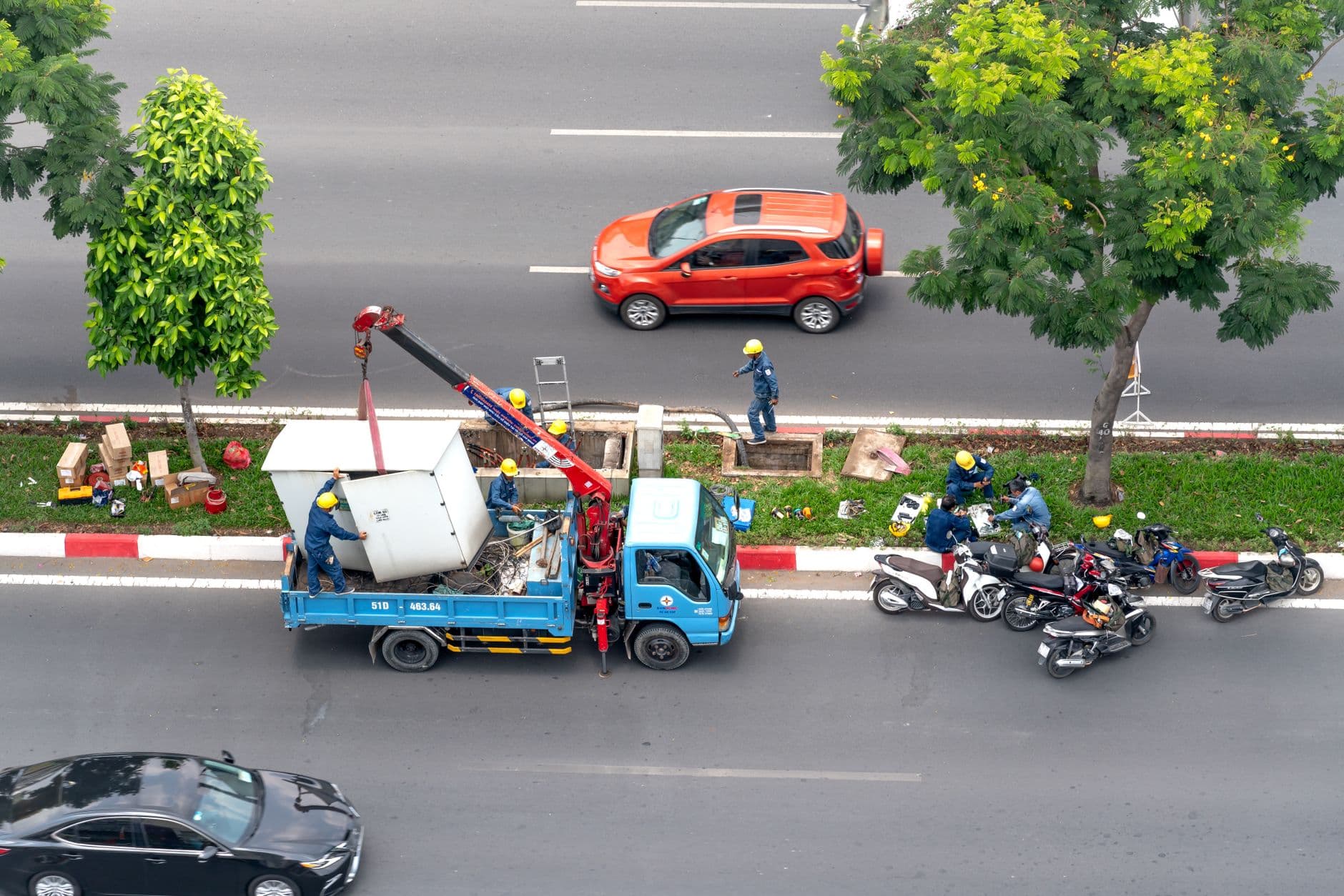
Photo by Quang Nguyen Vinh on Pexels
Why photos help before the truck ever rolls in
A service visit usually starts with a story: a leak showed up after a run up the hill, a trailer light quit flickering, or a unit started pulling to one side after a rough road. That story matters, but a few good photos often fill in the gaps faster than a long phone call.
For Kamloops truck repair and Kamloops trailer repair jobs, photos help the shop see what the driver saw. They can show whether a problem is active, intermittent, or just starting to spread. That matters when a fleet is trying to plan a safe next step, line up parts, or decide whether the unit needs to come in now or can wait for a scheduled bay.
The four photos that usually tell the story
Wide shots come first. Step back and show the full truck, trailer, or equipment unit so the shop can see stance, ride height, body damage, or anything hanging out of place. If the issue is related to alignment, suspension, body damage, or a loose component, the bigger picture helps.
Closeups matter next. Get a clear shot of the leak, crack, worn area, broken bracket, damaged hose, or missing fastener. If there is a warning light or dash message, photograph that too. A clean picture of the message screen can be more useful than trying to remember the wording later.
Labels and unit numbers are easy to miss, but they save time. A photo of the VIN plate, equipment tag, trailer number, or serial number helps parts staff and service advisors match the right unit and avoid wrong-fit parts. That is especially useful when a fleet has several similar trucks or trailers in the yard.
A final photo of the area around the fault can help show context. For example, a hose rubbing on a bracket, a wet streak under a fitting, or a damaged connector tucked behind a shield may explain why the problem keeps returning.
What to capture for service, parts, and inspection work
The most helpful photos are plain and well lit. You do not need perfect staging. You do need enough detail to answer practical questions:
- Where exactly is the problem?
- Is there fluid, damage, heat, or loose hardware visible?
- What unit is this, and how is it identified?
- Did the driver notice a change in steering, braking, noise, vibration, or warning lamps?
That kind of detail supports better planning for the service department and helps parts staff prepare before the unit arrives. It is also useful when a truck is due for a CVIP inspection Kamloops fleets are planning around, because a documented concern can be looked at sooner instead of rediscovered during the visit.
A simple photo habit fleets can build
Good photos do not take long. Keep a phone ready in the cab or on the yard walkaround, and train drivers or operators to capture the problem before it gets wiped away, drained, tightened, or moved. Take the shot from the same side of the unit if possible, and include a quick note with location, load condition, and whether the concern changed after shutdown or restart.
That habit helps mobile truck service Kamloops crews arrive with a clearer picture of what they may be facing. It also helps during commercial truck maintenance BC planning, when the question is not just "what failed?" but "what else should we check while we are there?"
If you are ordering parts, a photo plus the unit details can make the conversation much smoother at the parts department. In many cases, that is the difference between a quick correction and a long back-and-forth.
Practical takeaway for fleets and operators
A few photos will not diagnose every problem, but they often shorten the road to the right one. For truck, trailer, and equipment repairs, the best photos are wide, clear, and tied to a unit number or serial number. That gives the shop a better starting point and helps keep the unit moving with less wasted time.
In a busy fleet, that is a small habit with a real payoff.
Need More Information?
Contact our team to learn more about our equipment and services.